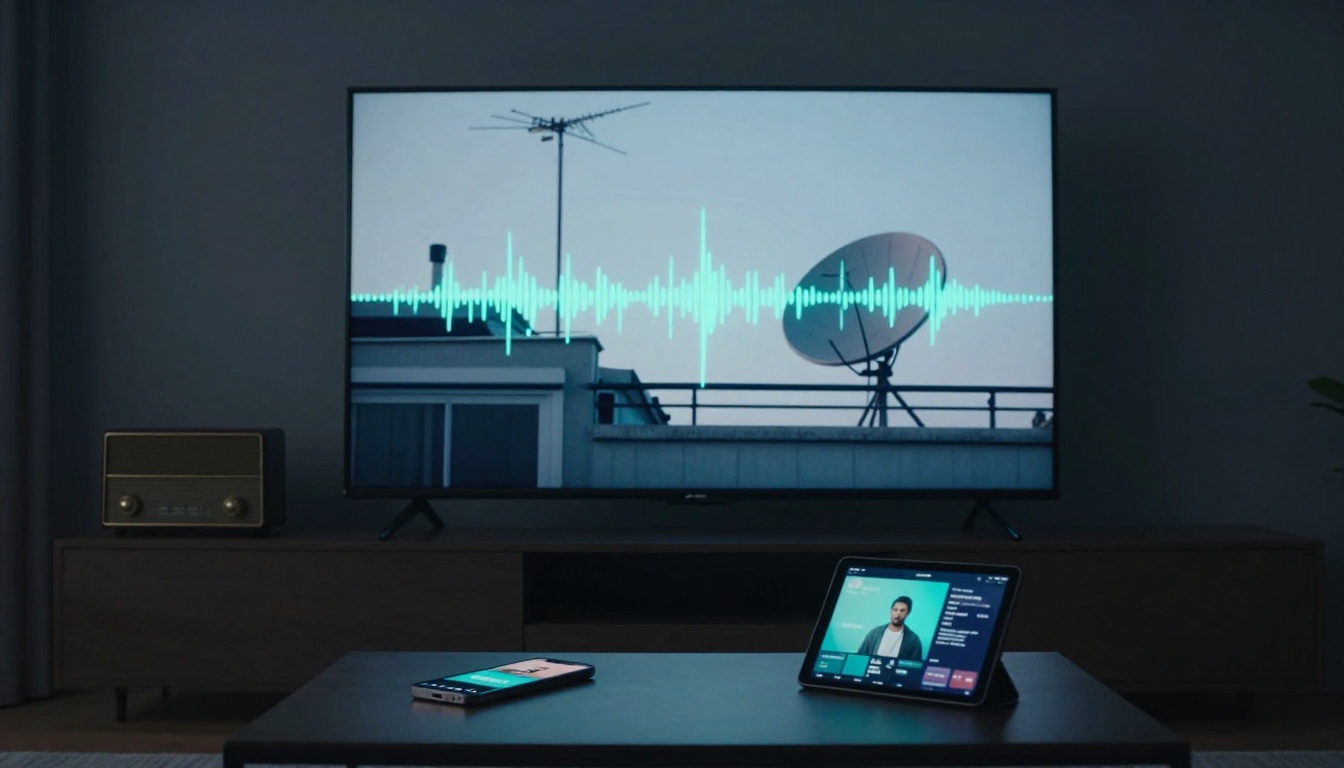
Broadcasting has changed fast. Radio once ruled the airwaves, and TV later became the family’s daily routine. Today, many people watch on phones, TVs, and tablets, often on demand. Still, the main types of broadcasting systems matter because your viewing experience depends on which one you’re using.
If you’re a viewer, you probably care about two things: how you get the signal and how reliable it is. If you’re a creator or producer, you care about distribution, production workflow, and whether your audience can actually receive your content.
Traditional broadcasting systems still play a big role. Over-the-air signals and satellite links can reach homes without relying on home internet. Cable can deliver stable viewing with bundled channels. Meanwhile, modern types of broadcasting systems use the internet for flexibility, personalization, and easy device switching.
In 2026, hybrid models are also becoming more common. That means you might see “broadcast-style” live TV paired with streaming features. It’s also why new tech like NextGen TV keeps showing up in real discussions, not just spec sheets.
Now let’s break down the main categories, starting with traditional methods that built the foundation for everything that came after them.
Traditional Broadcasting: Reliable Ways to Reach Wide Audiences
Traditional broadcasting systems focus on one-to-many delivery. Signals travel from a central source to many receivers. That can happen through airwaves, satellites, or wired networks.
The big strength is predictability. You often know what you’ll get, and you can schedule your day around it. Also, some methods don’t require you to rely on home internet. In other words, your TV can still work during an internet outage, depending on the system.
The tradeoff is flexibility. Many traditional setups follow fixed channel lineups. They can also feel slower to update when technology changes.
Here’s a quick way to compare the traditional options before we zoom in on each one.
| System type | How you receive it | Best for | Typical limit |
|---|---|---|---|
| Over-the-air (OTA) | Antenna | Free local TV and radio | Limited to your reception area |
| Satellite | Dish | Remote coverage | Weather can disrupt signal |
| Cable | Cable or fiber to home | Many channels, stable feed | Monthly fees and equipment |
For the most “signal-first” experience, OTA and radio still matter a lot. Let’s start there.
Over-the-Air TV and Radio: Free Access with Just an Antenna
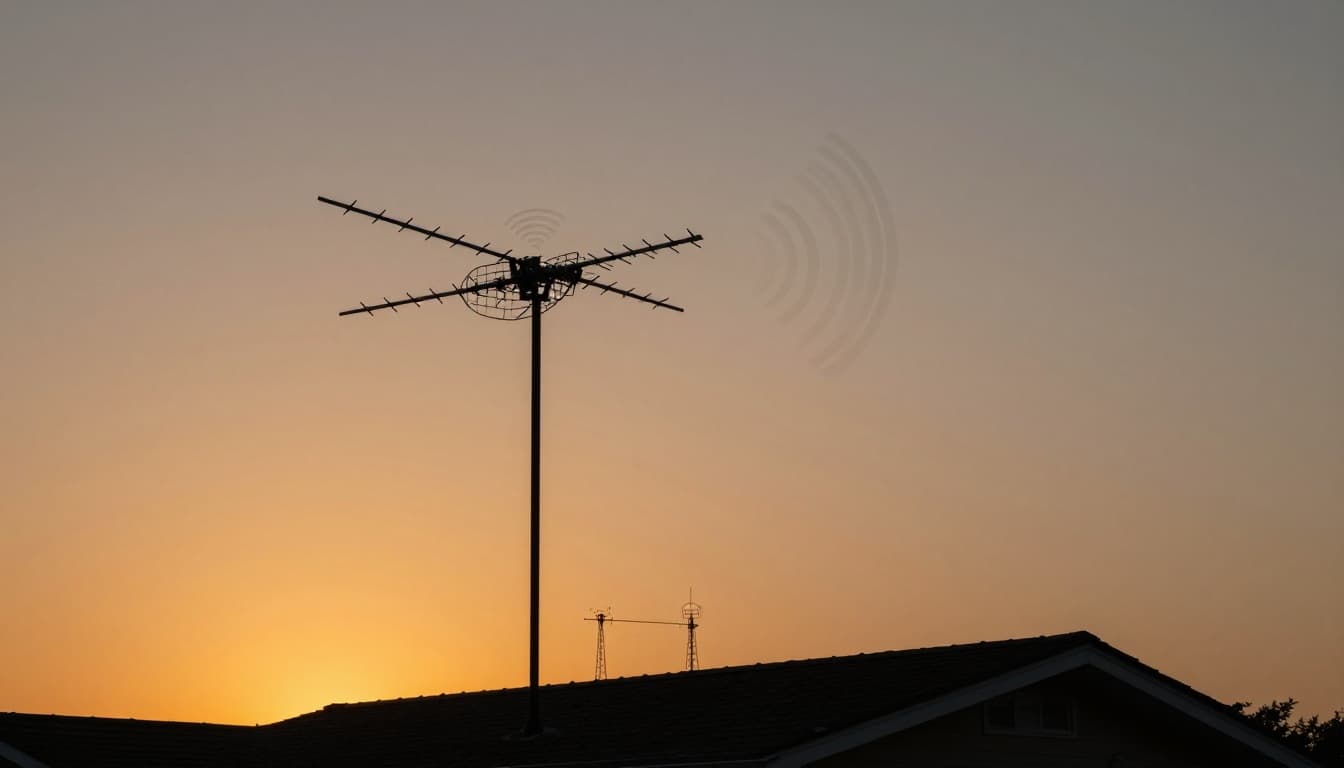
Over-the-air broadcasting uses radio waves. A local station sends signals from a transmitter, and your antenna receives them at home. Then your TV or tuner decodes the signal.
You don’t pay for the signal itself. So, OTA can be a strong value, especially if you mainly want local news, major networks, and live sports. Plus, OTA often helps in emergencies. Even if your internet goes down, you may still get channels (as long as your power stays on).
In 2026, OTA gets an important upgrade with NextGen TV (ATSC 3.0). It can support sharper video, better audio, and extra features like improved emergency alerts. Coverage keeps growing, and recent reporting shows NextGen TV reaching about 76% of U.S. households in early 2026.
If you want context on how the standard is progressing, see ATSC’s update on NextGen TV in 2026.
One real gotcha: not every TV supports ATSC 3.0. So, you may need a compatible TV or converter box. Also, channel availability depends on your local broadcast signal strength.
Satellite Broadcasting: Bringing Channels to Remote Areas
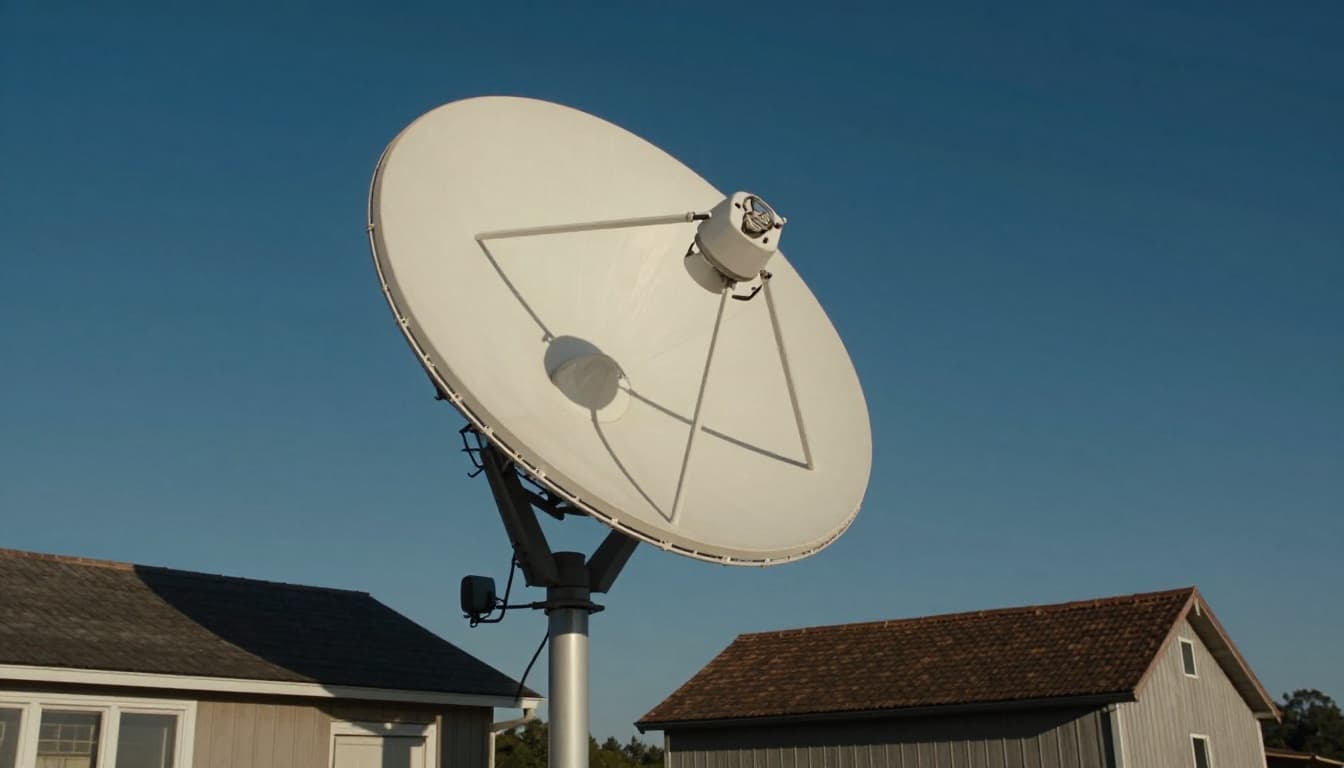
Satellite broadcasting uses space-based transmitters. Stations send content to satellites in orbit, and your home dish receives it.
This method shines in places where over-the-air signals are weak. It’s also common in rural areas where cable lines don’t reach well, or where internet service is slower.
Satellite systems often offer lots of channels, including live sports coverage. The lineup can feel like a big menu. However, it’s still scheduled and structured like traditional TV.
Another downside is that the weather can interfere. Heavy rain and storms can cause temporary signal issues. In addition, you need the dish hardware and receiver setup, which adds upfront cost.
If you’re comparing choices, this guide helps you weigh pros and cons: DIRECTV vs. DISH TV comparison.
In 2026, many satellite plans also mix in IP features. That means some apps and on-demand options may rely on your internet connection. So even “satellite-first” homes can end up using more than one system.
Cable TV: Bundled Channels Straight to Your Home
Cable TV delivers programming through wires. Older setups use coaxial cable. Many networks now use fiber at parts of the route, then connect to your home.
For viewers, cable often feels simple. You get a channel lineup, recordings, and on-demand options through your subscription. Many providers also bundle internet service. That can make it easier to manage one monthly bill.
Cable’s main strength is stable delivery. It’s usually consistent on a daily basis, and the picture quality can hold steady. The channel lineup also supports live sports and news without needing to install extra apps.
Still, the downsides show up over time. Costs can rise, and you might not watch as many channels as you pay for. Also, it’s less flexible than streaming. You can switch services and menus, but the experience depends on your cable package and equipment.
In short, cable is a “reliable bundle.” Yet many households now pick a modern system alongside it, not instead of it.
Modern Broadcasting: Internet-Powered Flexibility and Choice
Modern types of broadcasting systems use internet delivery. That means content can be live, on demand, or both.
The biggest difference is freedom. Instead of only watching on a schedule, you can watch when you want. Also, many services work across devices. So, you can start on a phone and finish on a TV.
However, modern broadcasting depends on broadband. If your connection is slow or unstable, buffering can ruin the moment. So, modern doesn’t mean “set it and forget it.” It just shifts your reliability needs from signal reception to internet performance.
Two major categories dominate this space: IPTV and streaming services.
IPTV: Traditional TV Meets High-Speed Internet
IPTV stands for Internet Protocol Television. In practical terms, providers deliver TV over the internet using IP networks.
Some IPTV services feel like cable. They offer live channels, guides, and DVR features. Others lean more into on-demand viewing. Either way, IPTV often looks familiar, while still using internet delivery.
One advantage is scalability. Providers can update channels and features without swapping out physical broadcast equipment for every change. Also, IPTV can fit well in homes that already have strong internet.
The biggest limitation is your connection quality. If you have spotty Wi-Fi, your experience can dip. If you can, a wired connection or strong mesh network often helps.
Compared with cable, IPTV is often easier to add or change across devices. Compared with pure streaming, it can feel more “TV-like,” with live channels and scheduled viewing.
Streaming Services: Watch What You Want, When You Want
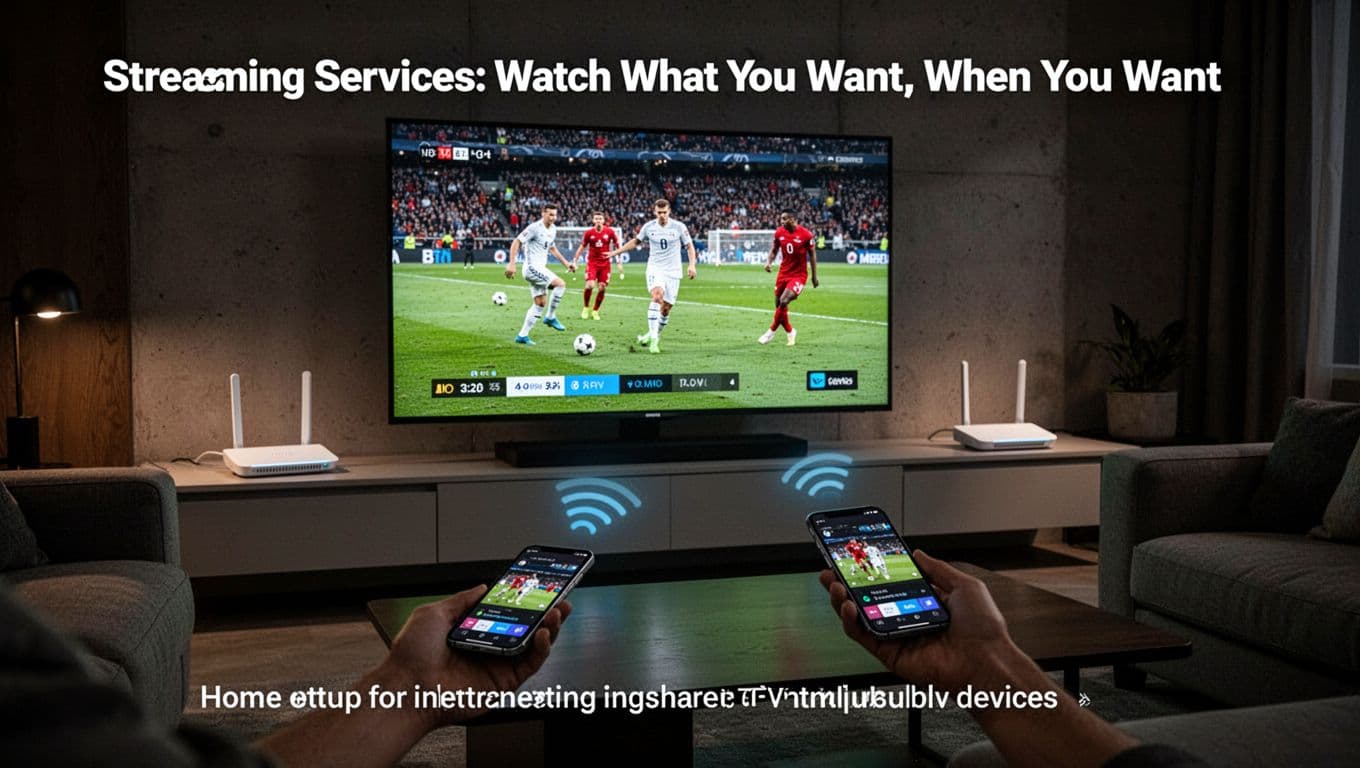
Streaming services deliver content through apps. You tap a title, and the system sends the video over your internet connection.
This category includes on-demand libraries (like many movie and series apps). It also includes live TV streaming services. In addition, you’ll see FAST channels, which are free, ad-supported options.
Streaming is built for choice. You can pause, rewind, and jump between shows quickly. You can also switch devices without changing the source content.
In 2026, streaming usage continues to grow. One industry snapshot shows streaming at 44.8% of U.S. TV viewing, slightly ahead of traditional broadcast and cable at 44.2%. Also, projections expect streaming to pass 50% of TV consumption by summer 2026.
Another trend is free ad-supported streaming. FAST options reduce the “all or nothing” feeling. You still get variety, but with ads instead of subscription fees.
The main cost to you is data. Streaming can use a lot of bandwidth. Still, it can be worth it when you want a specific show, not whatever’s on at 8 p.m.
What’s Next for Broadcasting Systems in 2026 and Beyond
The future of broadcasting systems isn’t about one winner. It’s about combining methods so audiences get reliable access and creators get flexible distribution.
One major shift is moving more workflows onto IP and cloud tools. Instead of tying everything to old hardware chains, teams can send video as data and scale production more easily.
Broadcast engineering also keeps pushing for interoperability, like using IP standards such as ST 2110 in professional workflows. That helps systems talk to each other without forcing one vendor to control everything.
Meanwhile, hybrid audience viewing keeps expanding. Broadcasters want to deliver live content, then also support clip viewing and ad-supported discovery. Many teams now plan for multiple screens from the start.
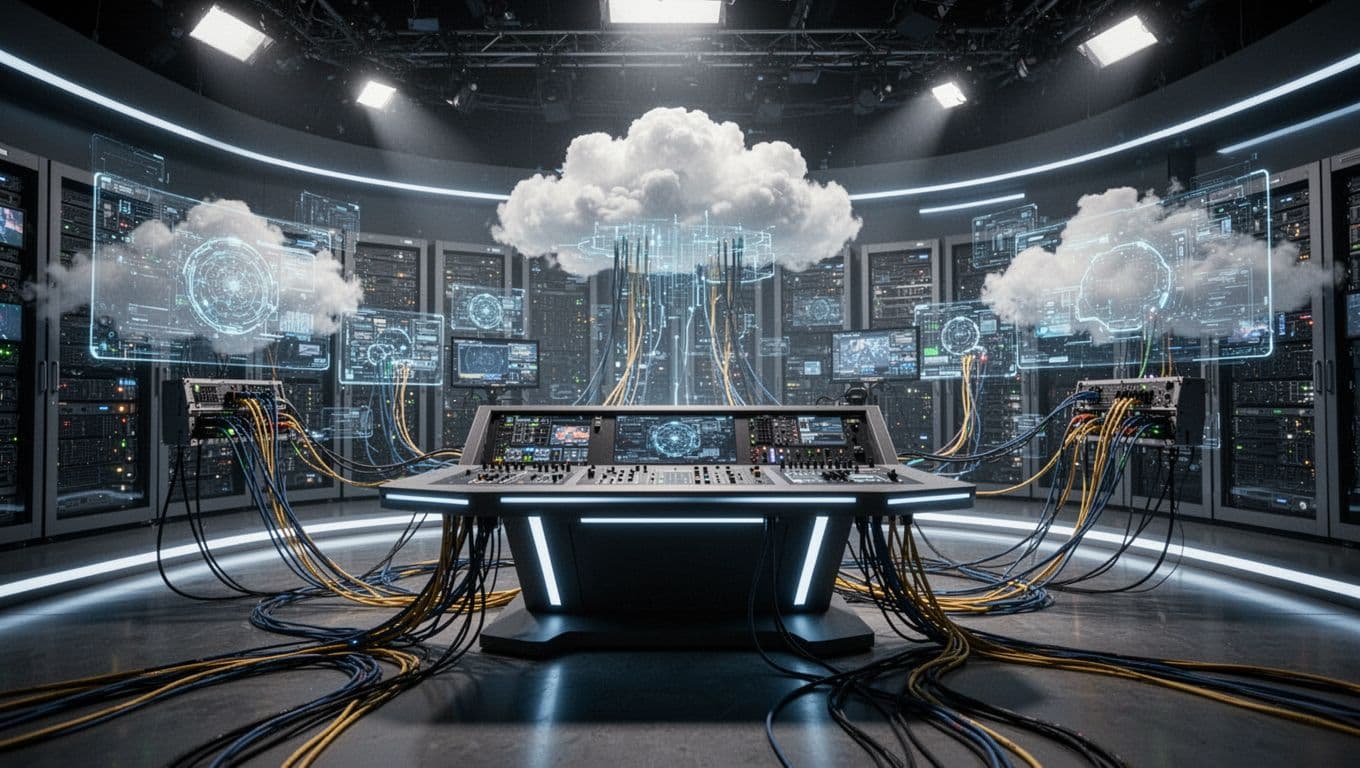
On the production side, research suggests broadcasters are rebuilding live operations around IP delivery. For an industry look at why this matters, read research on broadcasters rebuilding live operations around IP.
Here’s the practical takeaway:
The systems that win long-term will work together, not compete in isolation.
Artificial intelligence will also shape how teams personalize recommendations and speed up certain production tasks. Still, trust and accuracy remain what audiences expect.
So, what should you do with all this? Start by matching your choice to your life. If you want free local viewing, OTA makes sense. If you live in a remote area, satellite can help. If you want on-demand and device flexibility, streaming and IPTV fit better.
Conclusion
Broadcasting systems come in clear main types. Traditional options like OTA, satellite, and cable offer reliable access and familiar TV structure. Modern options like IPTV and streaming services add flexibility, personalization, and anytime viewing.
In 2026, the biggest story is hybrid change. NextGen TV keeps expanding OTA capabilities, while streaming keeps growing in overall viewing share. At the same time, broadcasters keep shifting workflows toward IP and cloud production.
So when you ask what kind of system you should use, don’t think of it as one permanent choice. Choose the experience you want today, then stay alert as the networks blend. What do you value most right now, live local coverage or on-demand control?