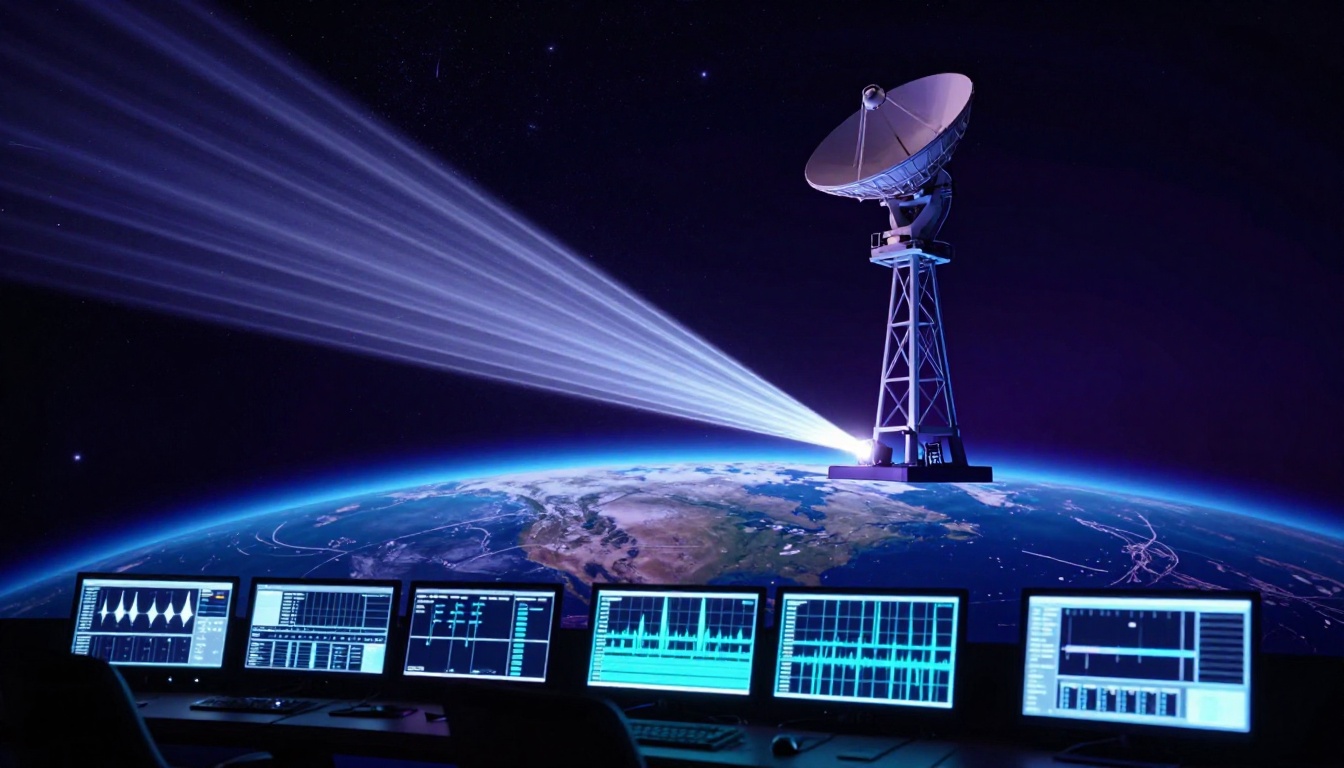
Watching a crystal-clear Olympics broadcast from anywhere feels almost magical. You want sharp video, clean audio, and no random glitches. Yet the feed has to stay strong through satellites, towers, cables, and internet hops.
Broadcast quality means the signal arrives in a usable form end-to-end. It includes picture sharpness, audio clarity, stable timing, and fewer dropouts. In 2026, teams keep that quality consistent across regions by combining local broadcast rules with shared engineering habits.
So how do broadcasters do it from the US to Europe, and even in remote areas? The answer comes down to standards, smart transmission paths, signal fixes, and constant monitoring.
What Regional Standards Keep Signals Sharp and Reliable
Broadcast isn’t one single system. It’s a set of standards that match each region’s rules, hardware, and viewer devices. When standards fit local networks, signals tend to land with fewer surprises.
In North America, ATSC 3.0 drives the next generation of over-the-air TV. In Europe (and parts of Africa and elsewhere), DVB-T2 handles terrestrial digital TV. Japan and some South American markets lean on ISDB approaches, which often prove tough for real-world reception and mobile use.
Here’s the quick comparison most engineers start with:
| Region (common standard) | Typical delivery | What it helps with |
|---|---|---|
| US, Canada, Mexico (ATSC 3.0) | Over-the-air and hybrid | Higher efficiency, better robustness, cleaner HD |
| Europe and beyond (DVB-T2) | Terrestrial, plus cable and satellite | More capacity per channel, strong terrestrial behavior |
| Japan and parts of LATAM (ISDB family) | Terrestrial, mobile-friendly | Coverage strength, practical tuning for varied terrain |
A key detail is that these standards also support error handling. The receiver can recover from minor signal hits, instead of showing artifacts or freezing.
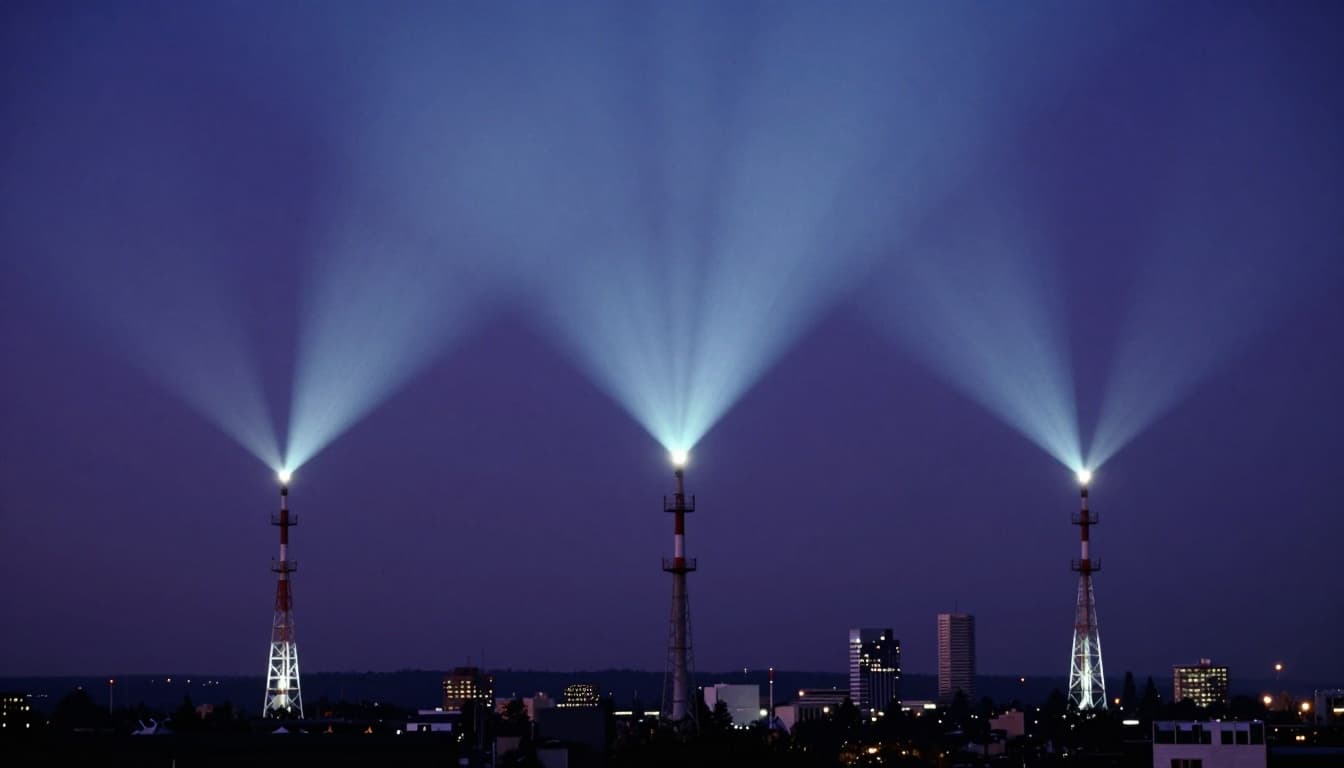
ATSC: Powering North American Airwaves
ATSC keeps US broadcast quality consistent by locking down how the signal is built and sent. That includes modulation choices, timing, and how the system handles delivery conditions. If you want the technical backbone, start with the ATSC 3.0 system standard.
Engineers also rely on error correction behavior. When the signal path gets noisy, the system uses redundancy so the receiver can correct mistakes. In simple terms, it’s like sending a paragraph with extra words that help catch typos.
As ATSC 3.0 rolls out, broadcasters also face a practical issue: not every TV or tuner supports the newest mode. That’s why many markets use hybrid approaches, so quality stays high even while adoption continues.
DVB and ISDB: Europe’s Cable-Sat Model and Asia’s Mobile Edge
Europe’s terrestrial TV quality depends heavily on DVB-T2. The standard is designed for efficiency and strong reception patterns, even when viewers move around or the signal path changes. For implementation details, see DVB-T2 implementation guidelines.
Meanwhile, ISDB-style systems tend to do well where terrain is tough and mobile viewing matters. Brazil’s experience shows how the “best” standard can shift based on test results, device support, and network cost.
Across 2026, Europe is also mixing broadcast with newer wireless delivery. For example, France’s infrastructure provider TDF has confirmed a plan for 5G Broadcast rollout, which targets mobile TV and emergency alert delivery. You can track that effort via France’s 5G Broadcast service roll-out.
That matters for quality consistency, because it adds another path when towers or internet conditions wobble.
How Signals Travel Far Without Dropping Quality
Standards help the signal survive the air. But quality also depends on how you move the feed between regions.
Broadcasters typically use a mix of satellite, cable, IP, and terrestrial towers. The key is redundancy. If one path gets weak, the system can switch or re-route without killing the viewer experience.
In real life, think of it like sending the same package by truck, then again by air. One way can get delayed, but both rarely fail at the same time.
Satellite and Cable: Reaching Remote and Urban Homes
Satellite shines when coverage needs to span oceans, mountains, and remote areas. A broadcaster sends the signal up to a satellite, then down to dishes across wide regions. In many setups, that means one uplink can serve thousands of coverage zones.
Cable, on the other hand, often wins in dense cities. The wired network can stay stable, especially when local head-end equipment and signal levels get maintained on schedule. That’s why cable operators can push upgrades like higher resolution formats without as much risk from open-air interference.
Still, “reliable” doesn’t mean “hands-off.” Operators test end-to-end levels so they don’t overdrive or underfeed amplifiers, especially when neighborhoods grow and service tiers change.
IP and Terrestrial: Internet and Over-Air Wins
Internet-based delivery adds flexibility. Broadcasters can carry live video in IP workflows and send it to regional distribution points. From there, signals can fan out to terrestrial transmitters, managed networks, or even viewer apps.
Terrestrial remains vital for free over-the-air TV in the US and many other markets. Towers are tuned to local conditions. They adjust power, coverage patterns, and timing so your receiver locks onto the right signal.
In 2026, the best systems often combine both. Over-the-air keeps reach broad. IP adds speed for live events, plus fast recovery when conditions change.
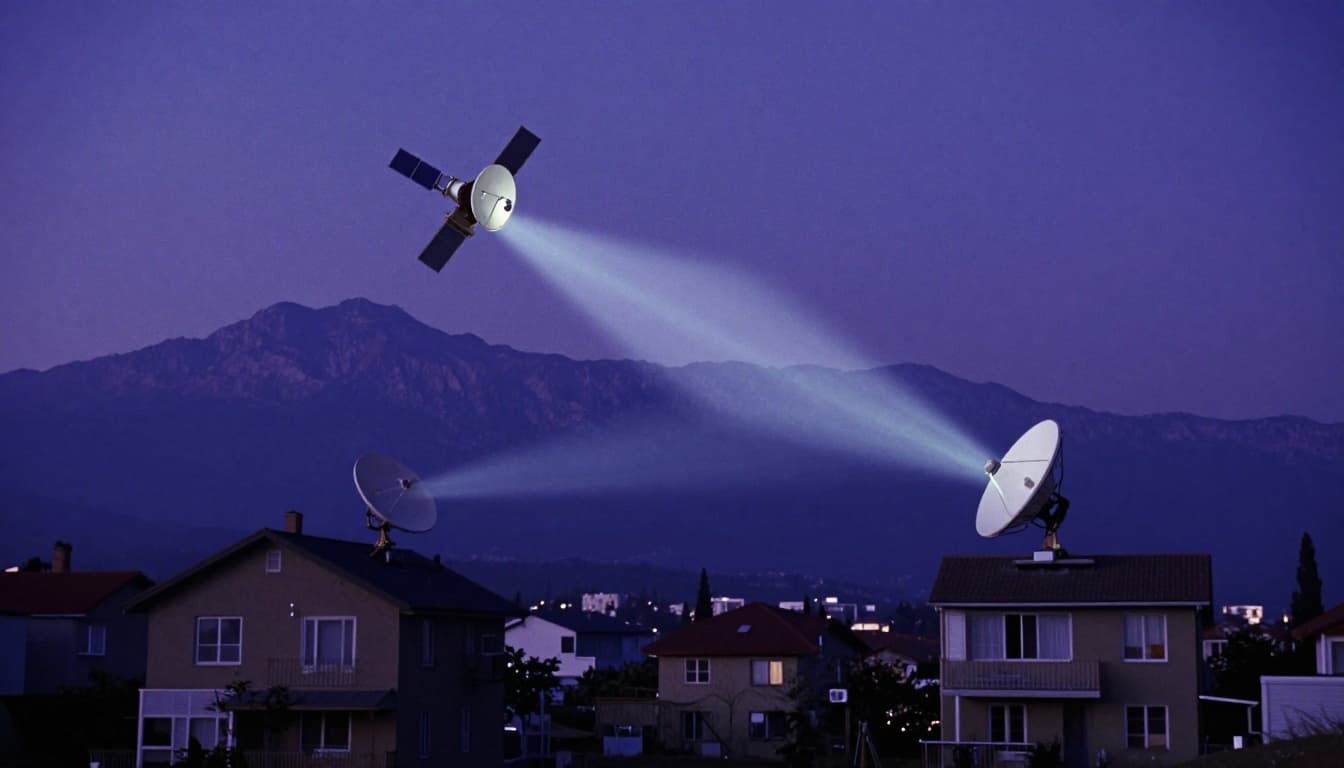
Smart Tech Fixes Glitches and Packs in Clarity
Even with perfect routing, the signal can still degrade. So broadcasters build in defenses.
First comes compression. Modern codecs pack video efficiently so you get sharper images at the bitrate you can actually afford on each link.
Next comes error correction and buffering. Error correction helps the receiver fix small damage. Buffering helps smooth sudden timing changes. Together, they reduce the chance that you’ll see blocky video or hear crackling audio.
A useful mental model is “spell-check for video.” Minor mistakes can get caught and corrected before they turn into visible glitches.
Finally, broadcasters keep a close eye on RF health. Clean transmission settings matter as much as the video codec. If the RF chain drifts, the receiver suffers.
Round-the-Clock Monitoring Spots Issues Worldwide
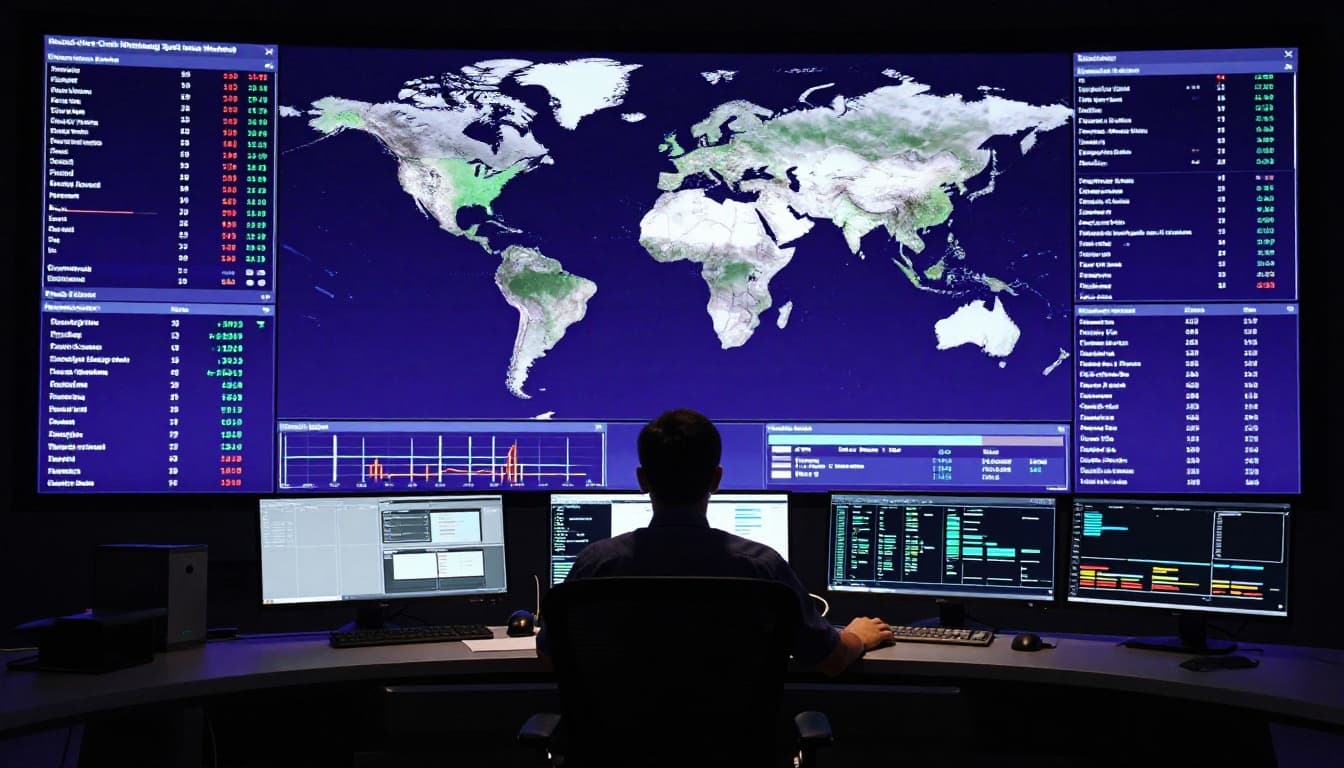
Monitoring is where “consistent” becomes real. Broadcasters run quality checks 24/7 because failures rarely follow the schedule.
Teams watch for QoS (technical signal health) and QoE (what viewers experience). They track things like dropouts, audio sync drift, packet loss, and decoder errors. If one region starts degrading, engineers can act before it spreads.
Many operators use probe-based testing and live dashboards. Tools can watch on-air transmission quality, satellite delivery, and streaming outputs across multiple sites.
For a concrete example of probe-based monitoring, see 24/7 TestTree monitoring. Their approach targets live service quality, including on-air transmission quality and synchronization checks.
Tackling Tough Challenges in Every Corner of the Globe
No two regions look the same on a map. That’s why maintaining broadcast quality means handling constraints, not forcing one approach everywhere.
Here are common challenges and the usual fixes:
| Challenge | What helps keep quality steady |
|---|---|
| Weak or uneven infrastructure | More IP distribution, scalable cloud monitoring, better receiver options |
| Tough terrain (mountains, rural gaps) | Satellite paths, smart antenna planning, stronger over-air settings |
| Different local rules and languages | Region-specific compliance, subtitle and audio workflows that match standards |
| Market device variety | Hybrid delivery modes and dual-format outputs during transitions |
Infrastructure and Terrain Hurdles Get Smart Workarounds
In parts of Asia-Pacific and Africa, network upgrades can take time. Broadcasters respond by mixing delivery paths. IP can scale faster than building new towers everywhere. Satellite also helps fill coverage holes where terrestrial rollout moves slowly.
As more 5G Broadcast pilots roll forward in Europe, it also gives another option for mobile delivery. That helps quality stay strong during emergencies and when viewers rely on phones.
Navigating Rules and Variety Across Borders
Rules differ, even when the engineering is similar. Broadcasters still must follow local spectrum, carriage, and reporting requirements. They also need workflows for multiple languages, subtitle standards, and audio modes.
On top of that, they plan around device differences. Some TVs can handle newer broadcast modes. Others need older compatibility feeds. That’s why many networks keep fallback paths ready during major events.
Conclusion
Broadcast quality stays consistent across regions because teams don’t rely on one magic trick. Local standards shape how signals are formed. Transmission paths keep the feed moving. Smart compression and error correction prevent small damage from becoming visible problems.
Then monitoring ties it all together. When issues show up anywhere, engineers can spot them fast and switch to backup delivery.
If you’ve ever noticed better quality in one region than another, what did you watch on, and where? Share your experience, and keep an eye on how 5G Broadcast expands in 2026.