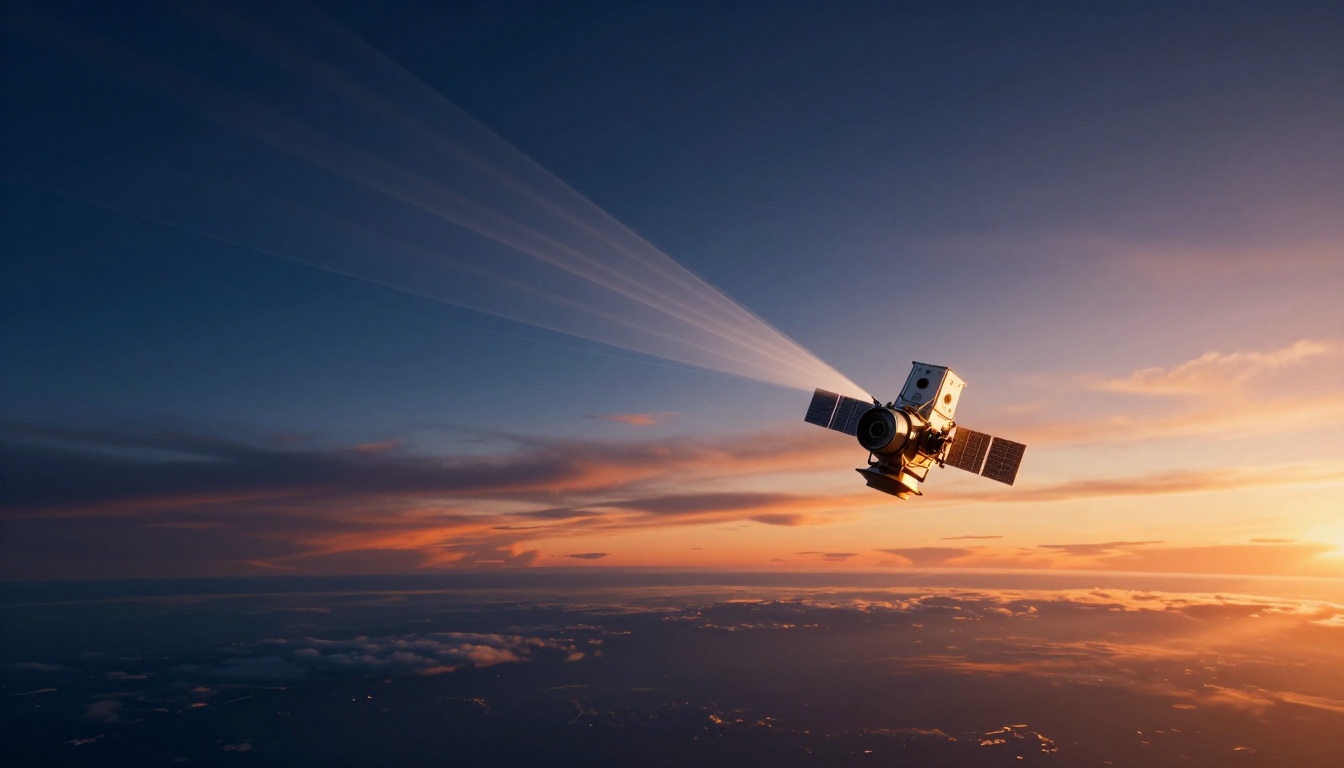
In March 1969, people gathered around TVs to watch history happen. Satellites helped carry the pictures across oceans, so your couch could feel like mission control. Fast forward to today, and the role of satellites in broadcasting still matters when you need coverage almost anywhere.
You might not think about it while watching a game or hearing breaking news. Still, the signal has to travel, even when mountains, deserts, or open water get in the way.
Let’s break down how satellite broadcasting works, why it took off, and what new networks may change next. Ready to see how these space miracles make your shows possible?
The Journey Begins: How Satellites Revolutionized Broadcasting
Satellite broadcasting didn’t start as “TV in every home.” It started as a problem: radio signals and TV links kept failing over long distances. As a result, engineers looked up at space, because orbiting relays can see huge parts of Earth at once.
Here’s the simple story arc. Early satellites proved the idea. Then a few big milestones made it practical. Finally, dishes and home receivers turned it into something normal.
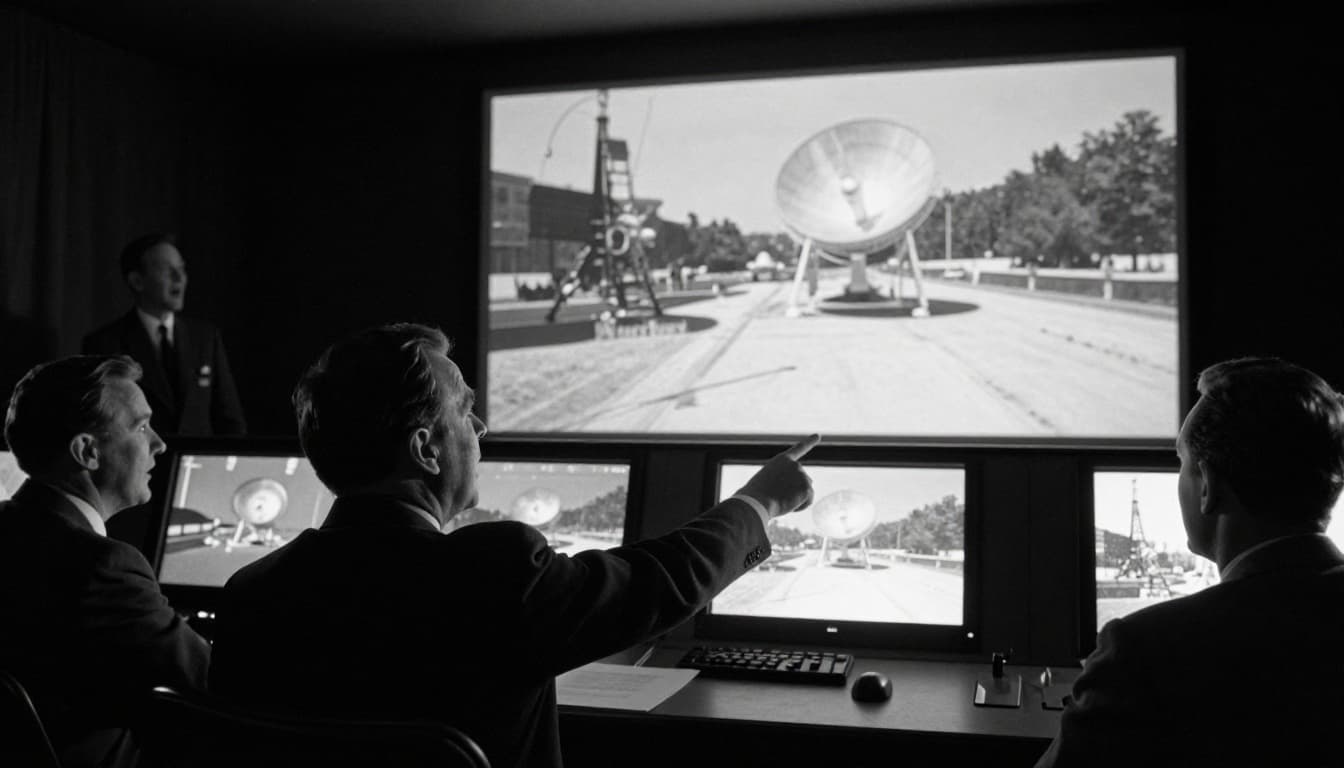
Before satellites, transatlantic TV was slow, expensive, and limited. After Telstar, live TV links across the Atlantic became a real thing. NASA’s history page on Telstar gives a clear look at how that first era opened global satellite television: Telstar opened era of global TV.
Next came geostationary orbit, which changed everything for “always-on” broadcasting schedules. When a satellite can stay over the same region of Earth, broadcasters can plan with less guesswork.
Early Experiments That Changed Everything
The late 1950s and 1960s were full of fast lessons. Sputnik, launched in 1957, wasn’t a TV satellite. Yet it proved that space-to-Earth radio signals could work. It also fueled public interest, because the space race made every new launch feel urgent.
Then real broadcasting came into focus. Telstar (1962) carried live TV signals across the Atlantic, helping demonstrate that pictures could travel long distances without fragile cable networks.
After that, geostationary satellites turned broadcasting from a stunt into a system. Syncom 3 helped show how a satellite could orbit in a way that looks steady from Earth. That mattered because fixed ground antennas can point at a consistent spot in the sky.
The 1960s also brought a mix of public excitement and technical grit. Think of it like learning to drive on a road that keeps changing lanes. Engineers tested frequencies, adjusted power, and improved antennas. Each successful transmission lowered the risk for the next one.
If you want a plain-language definition of what a “communications satellite” actually does, this overview helps: communications satellite basics. It’s a good way to connect the story to the signal path.
Then, by 1969, the Moon landing brought satellite broadcasting into the global spotlight. People didn’t just hear about it. They watched it live, because broadcasters could route video through satellite links and relay stations worldwide.
Boom Time in the 1970s and 1980s
Once satellite TV proved it could scale, the next challenge was cost and reach. During the 1970s, more satellites kept longer, more reliable links open across oceans. Early Bird (first launched in 1965) helped make continuous coverage more realistic for TV and radio broadcasters.
This period also made “direct-to-home” feel inevitable. If a satellite can send a strong TV signal down to Earth, then a home dish can receive it. Meanwhile, broadcasters wanted better picture quality and more channels, because viewers expected more choices.
By the 1980s, dishes spread in a big way. In Europe and parts of the US, satellite TV started competing with cable. In some places, satellite had an advantage: it didn’t depend on miles of underground lines.
Still, this was also a battle for control. Companies invested heavily in capacity, contracts, and encryption. As a result, pay TV grew. Viewers gained more premium sports and entertainment, but they also faced fees and access rules.
It helps to remember the bigger shift. Early on, satellites were about proving physics. Later, satellites became a regular part of media delivery. Today’s role in broadcasting is built on that foundation: global routing, fast setup for live events, and wide-area coverage when cables can’t reach.
Step by Step: How Satellites Beam Your Favorite Shows
So how does a TV show actually become a signal in the sky? Picture it like passing a note down a telescope made of mirrors and amplifiers. You send a message upward, the satellite “hears” it, then it sends it back down to a specific footprint.
Most satellite broadcasts use a setup with an Earth uplink station (the “sender”), the satellite (the relay), and home receivers (the “readers”). The satellite’s transponders receive the incoming signal, convert it as needed, amplify it, and rebroadcast it.
Uplink, Transponders, and Downlink Explained
Here’s the typical flow in plain steps:
- Uplink: A broadcast center sends TV audio and video to a satellite using a large dish.
- Satellite catch: The satellite receives that signal with its antenna system.
- Transponder work: The transponder amplifies and shifts the signal so it can travel back down.
- Downlink: Earth stations (and sometimes homes) receive the rebroadcast.
- Home viewing: Your receiver and dish decode the stream into audio and video.
If you want a useful reference for how satellites receive and resend radio signals through transponders, this guide breaks down the fundamentals in a simple way: satellite fundamentals.
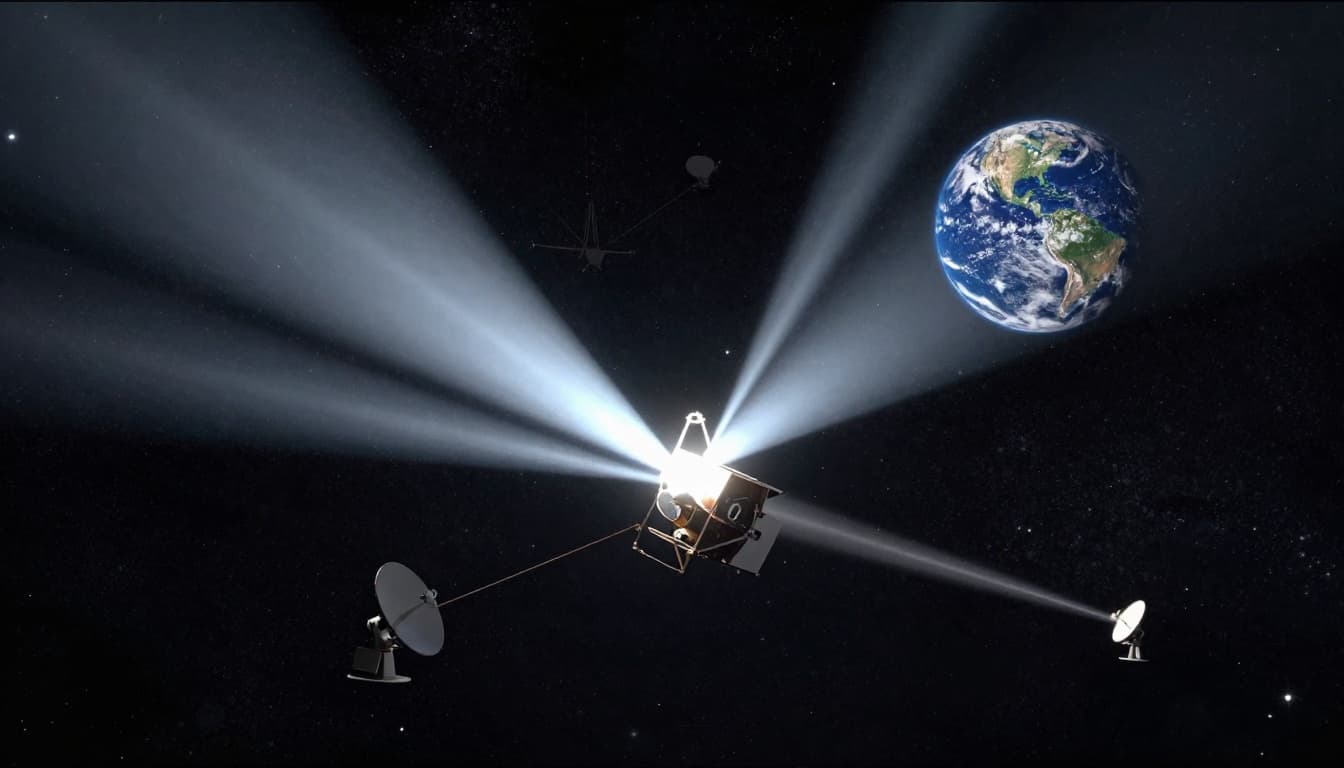
One-to-many broadcasting is a big deal. A single satellite beam can cover millions of homes. Therefore, live events like sports and breaking news can reach a huge audience at once.
Also, remember the difference between “live relay” and “storage.” Some feeds are sent in real time. Other content travels via satellite links to regional stations, where it’s scheduled later. Either way, satellites keep the delivery path wide and reliable.
For deeper basics of the system (ground segment, orbits, and link concepts), this PDF is a solid starting point: Basics of Satellite Communications.
GEO vs LEO: Picking the Right Orbit for Broadcast
Not all satellites orbit the same way. Orbit choice affects signal coverage, delay, and how easy it is to point antennas.
GEO (geostationary orbit) satellites sit about 22,000 miles up. They move in sync with Earth’s rotation, so they appear almost fixed in the sky. That stability makes broadcasting convenient, because dishes can stay aligned.
LEO (low Earth orbit) satellites fly much lower. They move faster relative to Earth, so broadcasters use networks of satellites to keep coverage going. The payoff is lower delay, which matters for interactive services.
For a quick, readable comparison of GEO and LEO differences, this explainer helps: LEO vs GEO orbits explained.
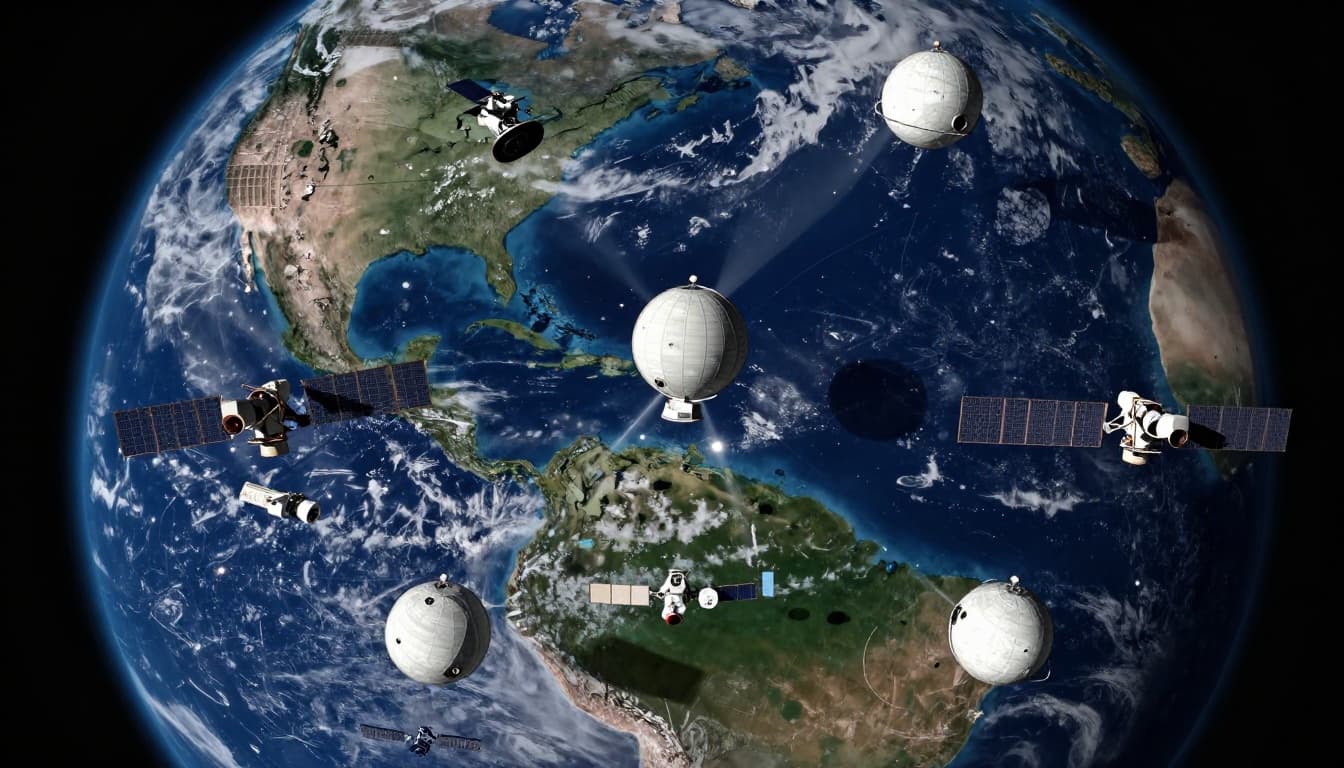
When broadcasters want steady “wide-area TV beams,” GEO often fits well. When services need low latency and flexible coverage, LEO has an edge.
In short, orbit selection is a matching game. Each orbit type has strengths. Each one has tradeoffs. Broadcasters choose what fits the job, not what sounds coolest.
Why Satellites Win Big (and Where They Struggle)
Satellites are great at one thing: getting signals where terrestrial networks are weak or too slow to build. That includes rural towns, far-out farms, and remote regions where laying fiber or building towers could cost a lot.
They also shine during major events. When a league needs coverage for stadiums and fan bases across many states, satellite links can carry feeds and backup routes. In emergencies, satellites can also help when ground networks fail.
At the same time, satellites aren’t magic. They face limits, and some problems show up fast.
Top Reasons Broadcasters Love Satellites
Broadcasters lean on satellites for several practical reasons:
- Wide reach: One satellite can cover large regions.
- Help for remote areas: Cables don’t work well everywhere.
- Scalability: A live feed can reach many viewers at once.
- News and sports support: High-demand events need fast, dependable routes.
- Fallback options: Satellites can back up fiber or microwave paths.
If you’re comparing options like cable versus satellite, the “best” choice often comes down to where you live and what you value. This comparison page lays out the typical differences in plain terms: cable TV vs satellite TV.
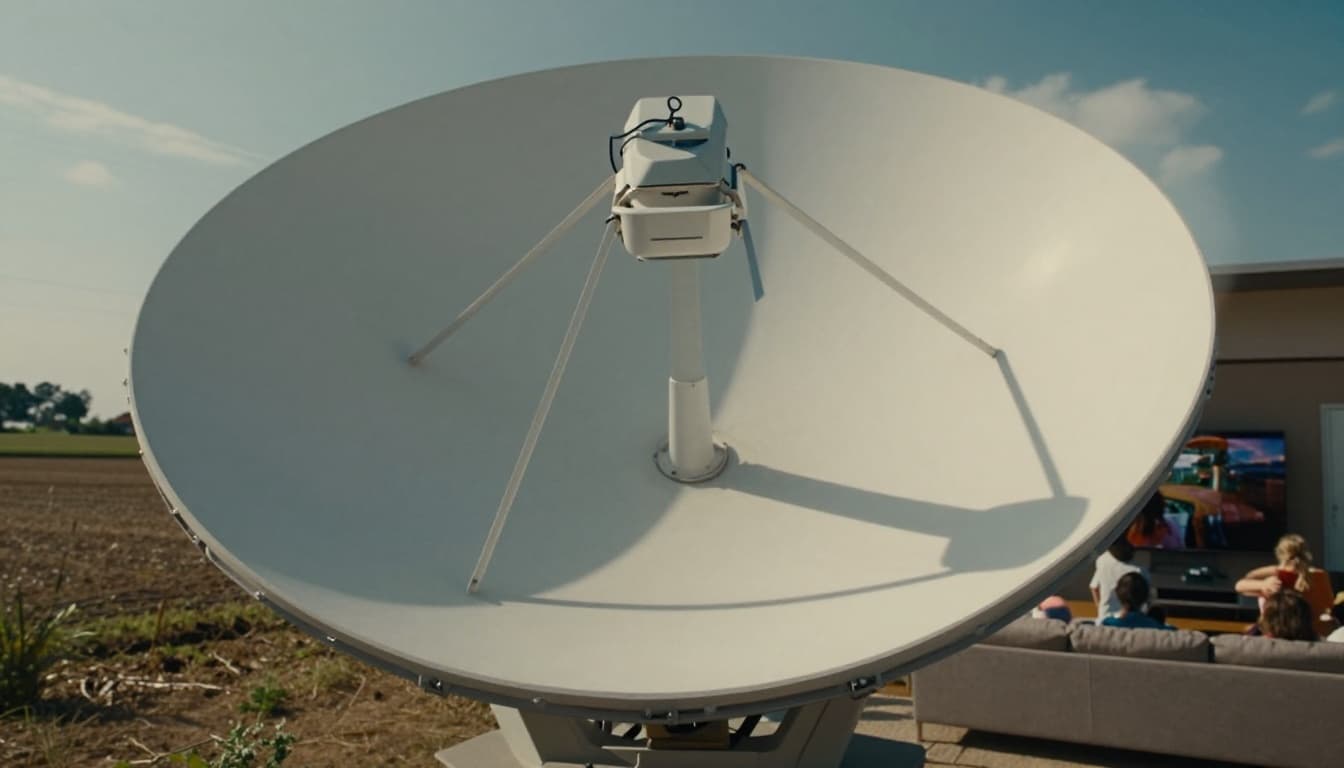
Also, satellites help with content diversity. More capacity can mean more channels, more languages, and better access for people who live far from major studios.
Honest Hurdles to Overcome
Now for the real-world issues. Broadcasting via satellite must handle physics, weather, and hardware.
Weather can interfere with high-frequency signals. Rain fade is one common problem. It can blur video or disrupt service during heavy storms, especially at certain frequencies.
There’s also cost. Launching satellites is expensive. Building the ground segment adds more expense. Even though equipment is cheaper now than in early decades, satellite TV still needs dishes, receivers, and ongoing service contracts.
Finally, delays can be noticeable on some systems, especially with certain orbit types. LEO can reduce delay, but it still needs a full network of satellites for consistent coverage.
One more hurdle involves point-and-align hardware. If your dish isn’t aimed right, you’ll lose signal. That’s not a dealbreaker. Still, it’s different from plug-in convenience.
In the end, satellites fit many broadcasting needs. But they fit best when you plan around their limits, not when you pretend those limits don’t exist.
Cutting-Edge Tech and What’s Coming Next
In March 2026, satellite broadcasting keeps shifting toward better quality, lower delay, and more hybrid setups. Even if you only watch TV, you’re already living in the middle of that change.
One major trend is higher-resolution TV, including more 4K distribution. Broadcasters want clearer pictures, especially for sports and live events. To support that, satellite operators keep upgrading how they use spectrum and how they correct signal issues.
Another trend is direct-to-device connectivity. In plain terms, it means satellites can support services even when you don’t have strong cellular coverage. That matters for media delivery and for emergency messaging, because the same satellite infrastructure can help in more situations.
What about Starlink? In the US, Starlink has continued expanding its LEO constellation. Realtime coverage in March 2026 shows frequent satellite launches, and the network now supports high-speed connectivity for remote areas, ships, planes, and emergency coverage. Even when it’s not marketed as “satellite TV,” the underlying role matters. Better satellites mean more capacity for broadcasters to move feeds and add backup routes.
Space companies are also pushing toward future systems like laser inter-satellite links (faster data routing between satellites), and more flexible networking methods. Meanwhile, the industry is working on reliability improvements, because broadcasters can’t afford long interruptions.
Market pressure is another force. Direct broadcast satellite services remain a major business area, and investment keeps flowing into capacity and service upgrades. For a sense of how the direct broadcast satellite market is trending, this research release offers a snapshot: Direct Broadcast Satellite Service Research Report 2026.
So what’s next for the role of satellites in broadcasting? Expect more hybrid delivery, more backup capacity, and more “anywhere coverage.” The goal stays the same: send the signal, keep it stable, and reach the audience fast.
Conclusion
The role of satellites in broadcasting starts with a simple promise: get signals to people who can’t rely on cables. From Sputnik-era experiments to Telstar and beyond, satellites turned live global viewing from a rare event into a routine option.
Today, satellites still matter for wide reach, reliability during major events, and coverage when ground networks struggle. Tomorrow, better orbits and stronger networks should keep pushing that value forward.
If you had to pick one question to ask before your next big event, it would be this: how will the feed keep moving if the usual paths fail? Ready to check what satellite coverage could do for your area this year?