Ever miss a big concert and tell yourself you’ll watch it later, then binge three episodes instead? You’re not alone. That switch from “watch it now” to “watch it whenever” is exactly what separates on-demand services from live broadcasting.
On-demand video is like your own mini library. You pick what you want, and the playback follows your timing. Live broadcasting works the opposite way. It drops content in real time, like a game clock that keeps moving even if you step away for snacks.
In March 2026, US adults spend about 61% of their TV time on on-demand and streaming video, while 39% goes to live or traditional linear TV. That gap keeps growing, but live still wins when people want shared moments.
So what should you choose when you’re planning your evening? This guide breaks down the key differences, the upsides and tradeoffs, real platform examples, and the 2026 trends that blend both styles into one viewing habit.
Grasping the Basics of On-Demand Versus Live
At the core, on-demand means the program is ready when you arrive. You press play, pause, rewind, and jump ahead. Movies, TV series, and short clips usually fall into this bucket.
Live broadcasting means the content happens right now. You watch as events unfold, like sports, breaking news, or live concerts. If you miss a moment, you typically catch up later through a replay, clip, or highlight.
A simple way to picture it: on-demand feels like a personal video store. Live feels like a party where everyone shows up at the same time. You can still talk about what you missed, but the main action happened while you weren’t there.
Here’s a quick comparison based on how people actually watch in the US:
| Viewing style | What it means | Typical examples | Share of US TV viewing time (2026) |
|---|---|---|---|
| On-demand / streaming | You choose when to watch | Movies, series, clips, bundles | ~61% |
| Live / linear | You watch in real time | Sports, news, live events | ~39% |
If you’re curious how the formats differ in a business and delivery sense, this breakdown on streaming video vs. live TV is a helpful companion: live TV vs on-demand delivery differences.
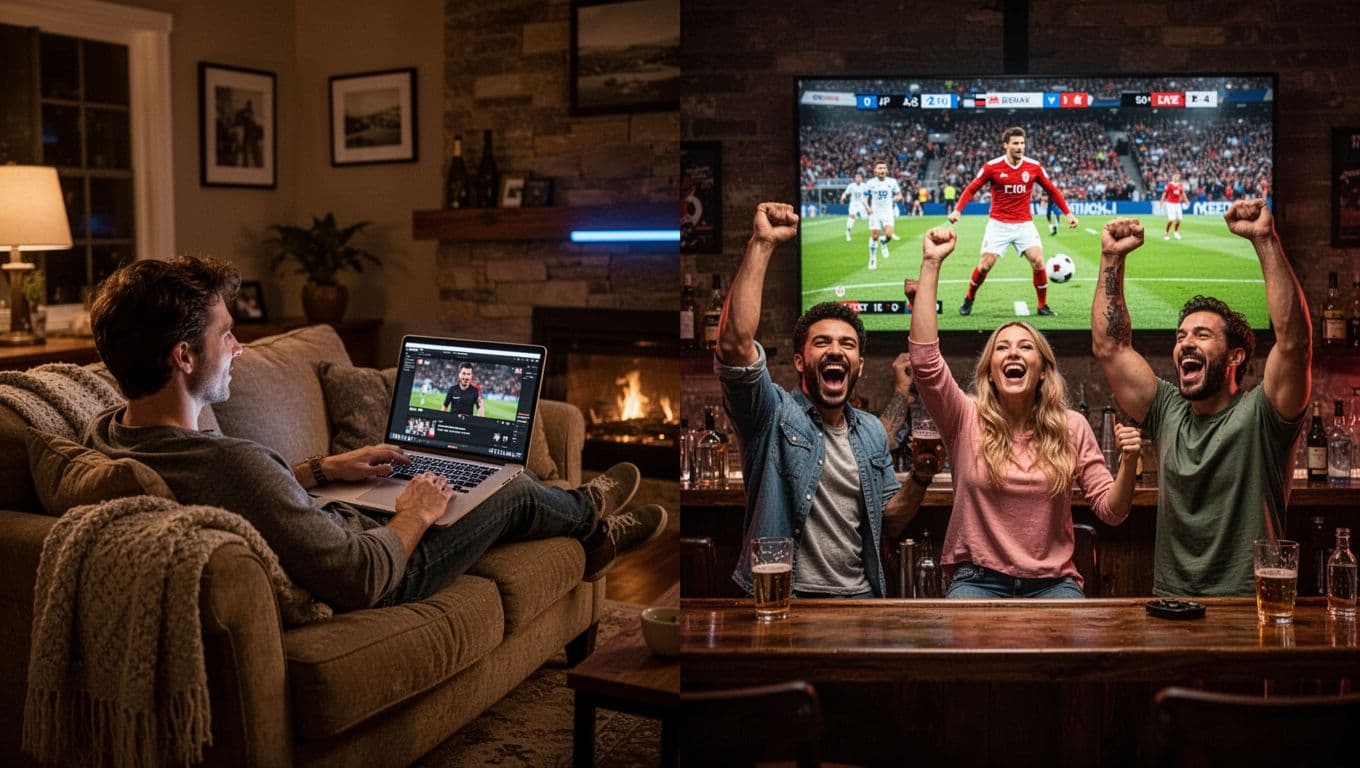
Still, “on-demand vs live” isn’t just a technical split. It changes your mood, your schedule, and even how you share what you watched.
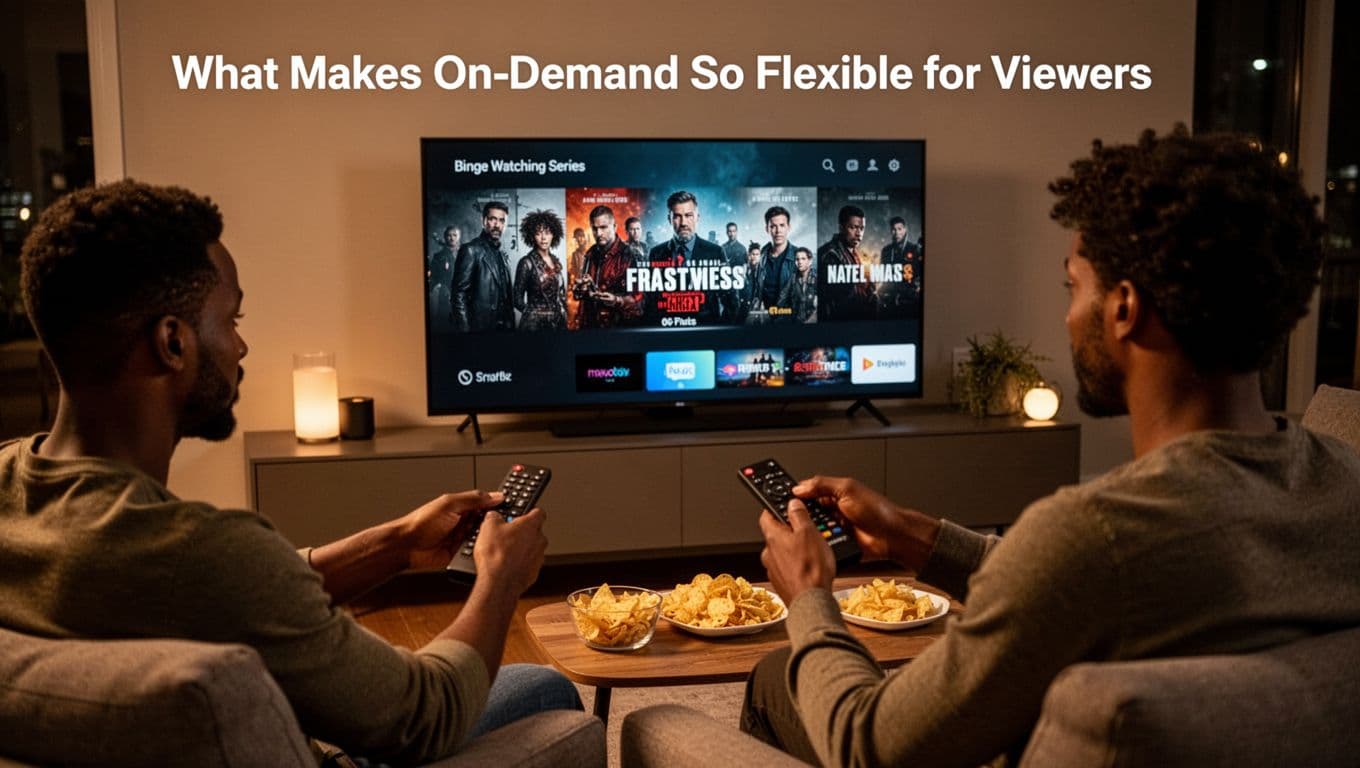
What Makes On-Demand So Flexible for Viewers
On-demand is built for your life, not the other way around. You can watch at 9 a.m. on your phone, at 7 p.m. on a smart TV, or late at night with headphones. Because the content is already made, you control the pace.
That control matters more than it sounds. When you pause a show, you can handle a call, cook dinner, or handle one more scroll through social media. When you rewind, you can catch dialogue you missed the first time. When you skip, you can skip the filler and stay on track.
Also, on-demand platforms often reduce the “what should I watch?” problem with recommendations. Many services use your viewing history to suggest shows that match your taste. In practice, that means fewer decisions, faster starts, and less time in the menu.
On-demand content typically includes:
- Movies and TV series you can binge in one stretch
- Episodes you watch when you want, not when a channel airs them
- Clips and short videos that fit between errands
- Replays and re-cut versions of big moments
In 2026, on-demand isn’t only about choice. It’s also about speed. You jump back into the story right where you left off. That habit keeps people glued to streaming apps because the “finish line” comes to them.
A useful reminder: the more control you get, the easier it is to overdo it. Too many options can cause choice overload. You might spend 20 minutes picking and only watch 10 minutes.
The Real-Time Excitement of Live Broadcasting
Live broadcasting grabs you because it doesn’t wait. The event keeps going, so your brain stays on alert. That sense of urgency creates energy. It also helps explain why live still matters even as on-demand grows.
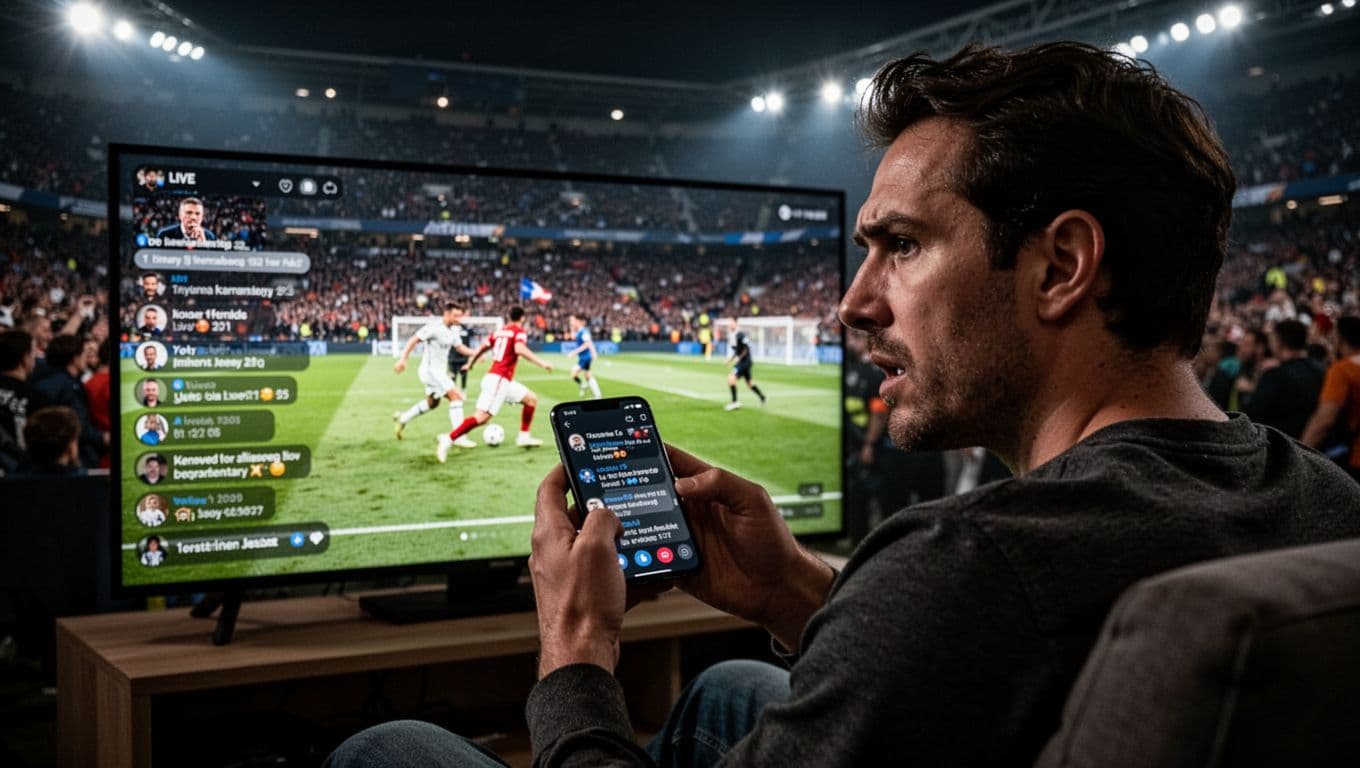
In many live settings, you’re watching with other people’s reactions in mind. You might chat during the stream, text friends your favorite moment, or refresh social media for updates. Even if you’re watching alone, you’re still part of something shared.
Common live formats include:
- Sports games with fast momentum and constant stakes
- Concerts and festivals where timing defines the moment
- News and live reports where new info changes everything
- Talk events and live interviews that follow a live schedule
Another big difference is that live often feels “single use.” If you step away at the wrong time, you miss the one play, one announcement, or one punchline.
Also, live streaming tends to involve tighter tech limits. There’s something viewers notice when there’s delay. Even a small lag can ruin the “everyone reacted together” feeling.
If you want a deeper look at why live can struggle with delay, this piece on live latency vs on-demand reliability explains the “glass-to-glass” gap and why spoilers become a real issue.
In short, live pulls you in with immediacy. On-demand gives you comfort with control.
Spotting Everyday Differences That Shape Your Watch Time
It’s easy to say “on-demand is flexible and live is real-time.” That’s true, but your actual experience comes down to smaller details.
Here are the differences that tend to change your viewing habits the most:
- Timing: on-demand fits your schedule, live follows a fixed time
- Control: on-demand lets you pause or rewind, live usually doesn’t
- Content feel: on-demand is story-driven, live is event-driven
- Social behavior: live often invites chat and instant reactions
- Risk of missing moments: live punishes lateness, on-demand forgives it
- Discovery style: on-demand pushes suggestions, live pushes “catch it now”
This is why on-demand takes the bigger slice of US TV time in 2026. People want the option to watch without planning their whole day around a channel lineup.
Still, the live audience doesn’t disappear. Live keeps its edge when the event itself matters more than the recording. A game winner. A performer’s surprise guest. A breaking update.
Timing and Control: Pause Anytime or Watch Now
On-demand fits life. If you’re cooking, commuting, or stuck in a long meeting, you can pause and return when you’re ready. You can binge multiple days in a row, or stop after one episode.
Live is different. The event starts at a set time. You can watch on your couch, at a bar, or on your phone, but you can’t pause the world. You can sometimes use limited controls, but the main experience stays tied to the event clock.
This changes how you plan your day. On-demand viewers often plan around comfort. Live viewers plan around arrival.
For example, imagine two nights. On-demand night feels like, “I’ll start when I’m done with work.” Live night feels like, “I need to get there before the first pitch.”
Also, live can create a “must-see” loop. If you wait, you might hear spoilers. People talk faster about live moments because they want to process them while they’re happening.
Content Types That Fit Each Style Best
Some content fits on-demand better, and some fits live better.
On-demand usually shines for:
- Stories you can revisit, like movies and series
- Background viewing, like rewatching familiar shows
- Long-form learning, where you pause and replay
- Niche clips that you only need for a quick moment
Live usually wins for:
- Unpredictable events, where the outcome matters
- First-time experiences, like a concert you’ll never see the same way twice
- Fast updates, like news breaks and press moments
- Community watching, where reactions are part of the fun
In practice, many people mix both in one week. They watch a series on-demand, then catch sports live. Or they watch live events, then switch to on-demand for replays and highlights.
Pros and Cons to Help You Decide What Fits Your Life
Both styles have clear strengths. Both also come with tradeoffs. The best choice depends on what you want that night.
On-demand often feels like personal freedom. Live often feels like shared energy. Yet, both can frustrate you in different ways.
Here’s a fair look at the pros and watch-outs.
On-Demand Wins and Watch-Outs
On-demand is hard to beat when you want control. You can start instantly, stop anytime, and skip to your favorite parts. Also, recommendations can point you toward shows you’d never find on your own.
Common wins include:
- Schedule freedom (watch when you have time)
- Easy rewatches (replay scenes or whole episodes)
- Lower stress (no need to time your arrival)
- Personal picks (recommendations guide choices)
The watch-outs can be just as real:
- Choice overload (too many titles can slow you down)
- Less social buzz (you’re not reacting in real time)
- Binge fatigue (you may start a lot, finish less)
- “Just one more episode” creep (time disappears)
If you ever opened an app “for a quick episode” and looked up an hour later, you’ve felt that downside.
Live Broadcasting Strengths and Challenges
Live brings a different kind of satisfaction. It’s not just the content, it’s the moment. You can feel tension build. You can react with other viewers. You can also enjoy the event itself, even if you don’t catch every detail.
Live strengths often include:
- Shared excitement (chat, texts, and quick reactions)
- Urgency (the event is happening right now)
- Real unpredictability (moment-to-moment stakes)
- Community energy (you feel part of the crowd)
Live challenges also show up fast:
- You can miss it (stepping away can cost you)
- Tech glitches can hurt (buffering or delay feels worse)
- Spoilers spread quickly (especially when delays happen)
- Fixed schedules (you plan your day around the broadcast)
The best live experience usually happens when you care about the outcome. That’s why sports and major events keep drawing attention.
Popular Platforms Showing These Worlds in Action
Platforms make these differences obvious. On-demand apps work like a library. Live apps work like a stage with a clock running.
Meanwhile, hybrid options keep blurring the lines. A live event might generate on-demand clips right after, and many platforms post replays automatically.
Leading On-Demand Services You Know and Love
In the US, on-demand is powered by subscription services, free ad-supported apps, and large content hubs.
Common on-demand examples people watch:
- Netflix for series binges and movies
- YouTube for everything from full episodes to short clips
- Disney+ for family-friendly libraries and originals
- Hulu for next-day episodes and TV-first habits
- Peacock for popular shows and sports add-ons
- Amazon Prime Video for bundled access with Prime
On-demand platforms win because they make starting easy. They also make switching easy. You can move from a drama to a comedy without waiting for a channel change.
Also, free streaming apps (FAST) keep options growing. That’s part of why on-demand feels endless in 2026.
Top Spots for Live Streams and Events
Live streaming has its own “where to go” habits.
Popular places to catch live video include:
- Twitch for game streams, chats, and live communities
- TikTok Live for creator events and fast interaction
- YouTube Live for streams, events, and watch parties
- Traditional TV sports for national games and local broadcasts
Live still feels most powerful when you get real-time interaction. That’s why many viewers choose platforms that offer chat, reactions, and live updates.
Also, brands increasingly use live formats to sell products. Viewers watch a demo, then buy right in the same session.
2026 Trends Blending On-Demand and Live Experiences
In March 2026, the biggest trend isn’t “live replaces on-demand” or “on-demand kills live.” It’s blending.
More platforms turn one live event into many follow-up pieces. You watch it live, then get clips, replays, and short summaries. After that, the same topic keeps circulating through feeds.
Also, tech improvements help live feel smoother. Lower delay matters for sports and breaking news. In addition, platforms use cloud and edge tools to keep streams stable during traffic spikes.
Another trend is AI that supports viewing in practical ways. Recommendations get smarter. Search gets faster. Some platforms also improve captions and localization so more viewers can jump in.
Hybrid models also look stronger in the market. Parks Associates has highlighted the rise of hybrid video approaches, where live and on-demand support each other across viewing contexts. You can read more in this market summary: streaming video market hybrid models.
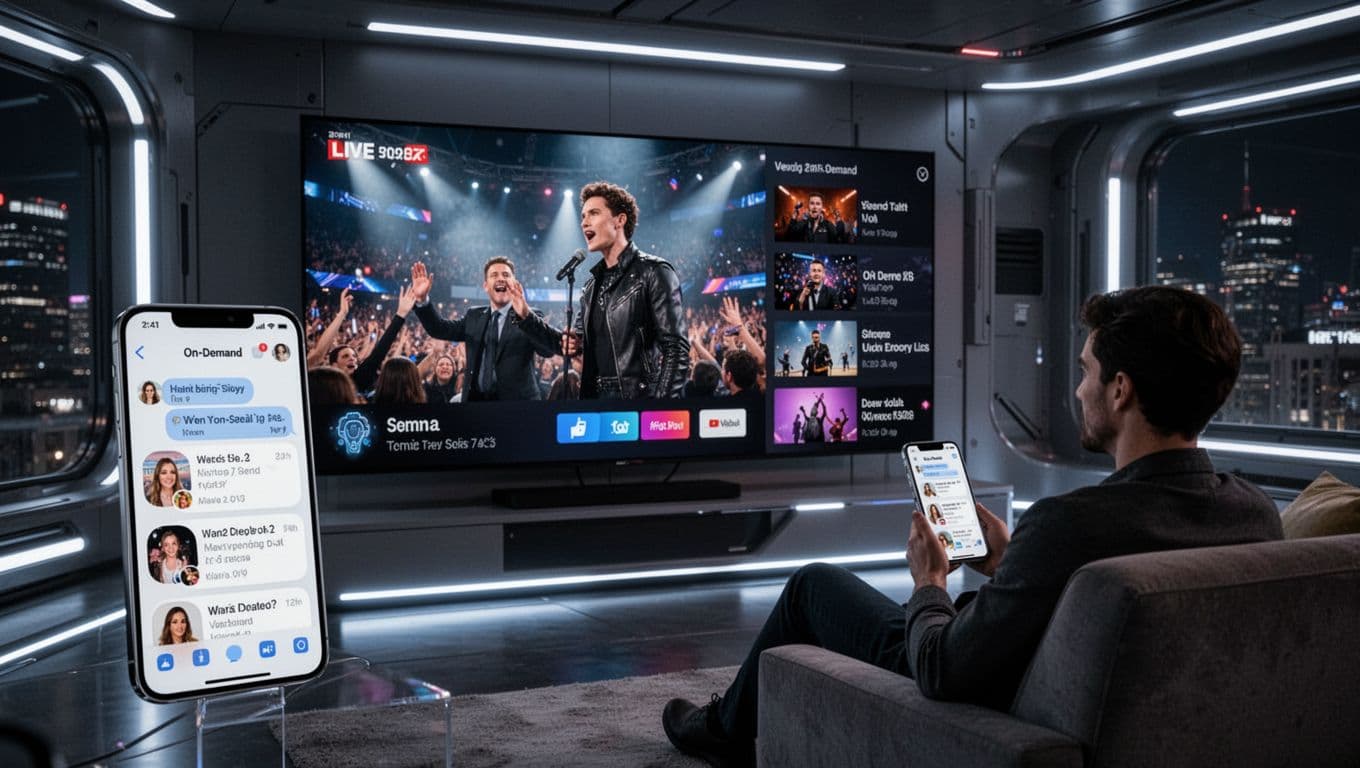
Finally, the platform side keeps shifting. Many viewers expect one stream to connect to social, clips, and follow-up viewing. That expectation pushes services to build “one event, many moments” workflows.
How Each Style Hooks Viewers in Unique Ways
On-demand and live don’t just differ in timing. They hook you with different mental rewards.
On-demand hooks through certainty. You know the show will be there when you press play. You control pacing. You can pause when life interrupts. That comfort is a big reason on-demand holds so much TV time.
Live hooks through attention. The event is happening now, and you might not get a second chance. Chat and reactions make it feel less like watching and more like participating.
In 2026, those hooks overlap. Live events get cut into clips you can watch later. On-demand series get “live-like” moments via premieres, watch parties, and event-style episodes.
So instead of choosing one forever, many viewers choose by mood:
- Want comfort and control? On-demand fits.
- Want intensity and community? Live fits.
- Want both in one night? Look for a hybrid experience.
When you understand the difference, you waste less time searching and waiting. You also pick the right platform for the kind of evening you want.
Conclusion
Live and on-demand feel similar because both play video. Yet they work differently inside your day. On-demand gives control. Live gives urgency.
In 2026, US viewing habits show that flexibility wins for most TV time. Still, live stays strong for events that can’t be replaced.
If you want a fast way to choose, ask one thing before you press play: do you want to steer the pace, or ride the moment? Then pick the service style that matches.
Try one new platform this week. Watch something live once, then follow up with an on-demand clip the next day. That mix is where entertainment keeps getting better in 2026.