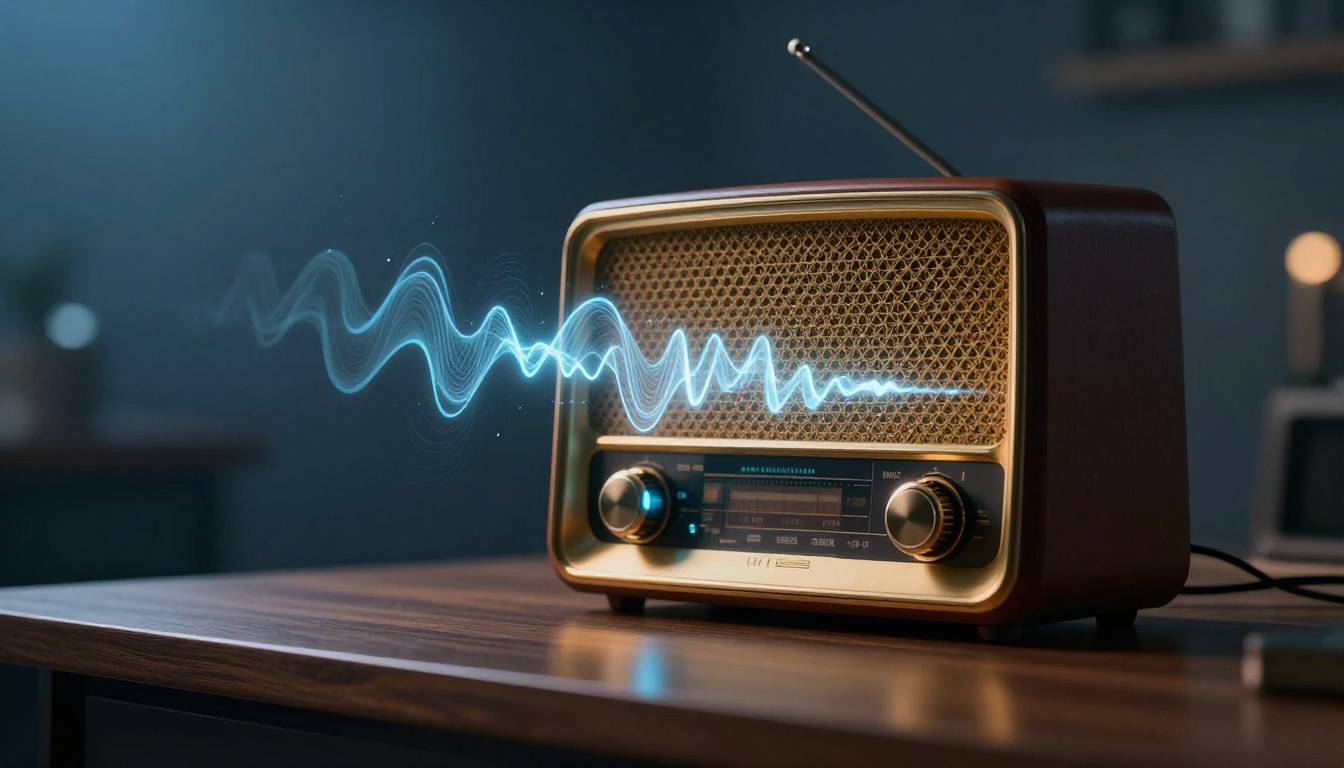
The next time you hear your favorite station snap into clear sound, notice this: the radio didn’t “find” the music. It grabbed a weak invisible signal and turned it back into sound you can hear.
That process is the real answer to how radios receive and decode signals. First comes the antenna, then tuning, then boosting the signal, then decoding the message inside it. Finally, the speaker turns the decoded signal into air vibrations.
You can think of a radio like a mail carrier, but for sound. The station sends a coded wave through the air, and your radio does the reverse work. It captures the wave, selects the right one, then translates it into music, news, or sports commentary.
Next, you’ll follow the chain step by step, from antennas catching waves in the air to demodulation pulling audio out of AM and FM signals.
How Does the Antenna Capture Radio Waves?
Radio waves are invisible electromagnetic waves. Stations send them out through the air, and those waves carry the program you want. For AM and FM, the station uses a carrier wave. Then it changes that carrier wave in a way that matches the audio.
Your antenna’s job is simple to describe. It acts like a metal “catcher” for those waves. In practice, though, it’s more interesting. The antenna picks up tiny electrical effects caused by the passing electromagnetic field. So even though the signal is weak, the antenna converts it into a small voltage.
A helpful analogy is a net in the ocean. Thousands of waves pass through the water. Your net doesn’t catch all of them equally, but it catches enough to get you started. Likewise, an antenna collects a mix of radio energy, but its design makes it better at certain frequencies.
Antennas also vary in size for a reason. Different radio bands have different wavelengths. Longer wavelengths usually need larger antenna elements to capture energy efficiently. Shorter wavelengths can work with smaller structures. That’s why you might see long wire antennas on some radios, and why handheld gear often uses shorter forms.
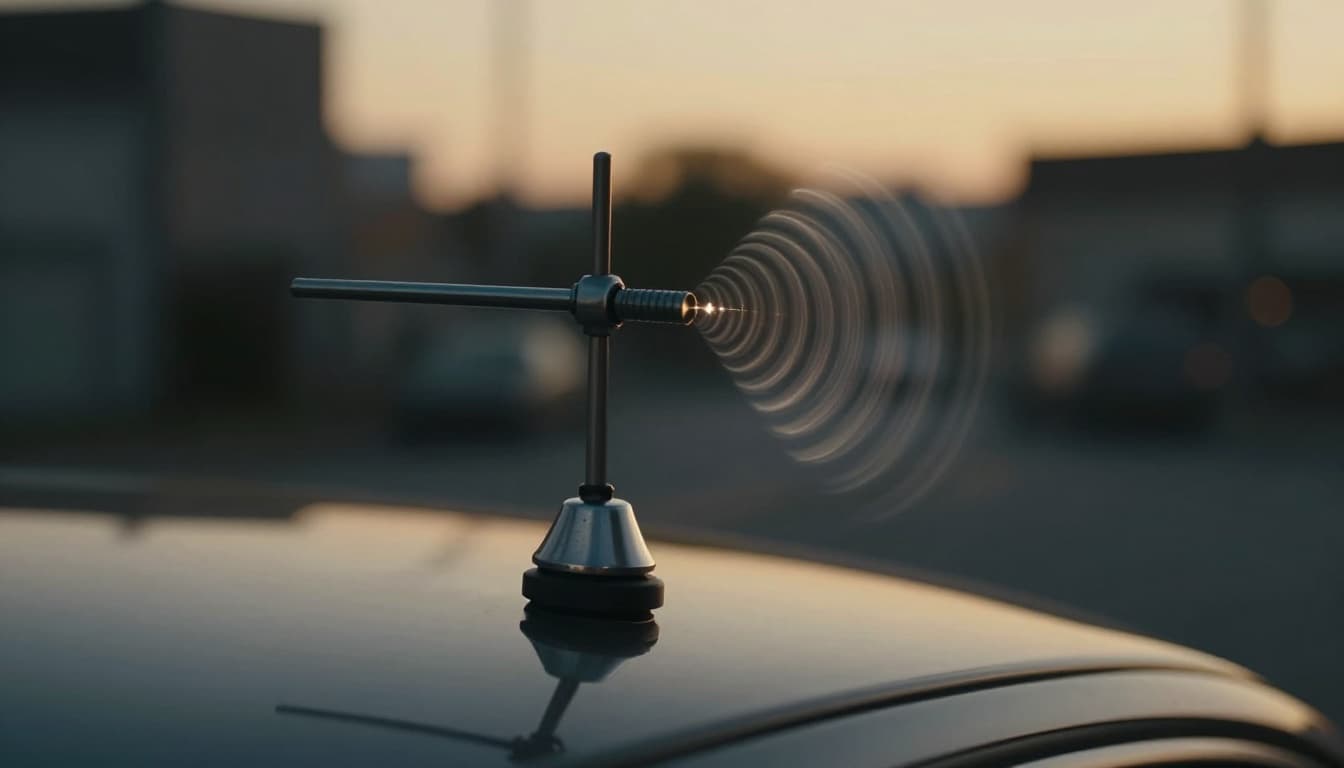
Different antenna shapes matter because reception depends on matching the antenna to the signal. If you want a deeper look at why this happens, see different antenna shapes.
Once the antenna creates a tiny signal, the radio has to pick out one station from the noise. That’s where tuning comes in.
The antenna doesn’t “separate stations” by itself. It mainly captures and hands off a messy mixture for the tuner to sort out.
Tuning In: Selecting Your Station from the Airwaves
When you turn the dial on a radio, you’re not just “choosing a song.” You’re selecting a frequency from many that are arriving at once. Your radio can’t process every station at the same time, so it uses a tuner circuit to focus on one.
Inside the tuner, a coil and a capacitor work together. They form a resonant circuit. Resonance means the circuit prefers one frequency. When that frequency arrives, the circuit’s response gets stronger. Frequencies that don’t match get weaker.
Here’s the simple mental picture: turning the tuning knob changes the capacitor value. As capacitance changes, the resonant point shifts. So the circuit “locks onto” a new station frequency as you rotate the dial.
If you’ve ever tuned a guitar string, the idea feels similar. You adjust until the string hits the right pitch. Then the sound jumps out. In a radio tuner, resonance boosts the station you want and reduces interference from nearby stations.
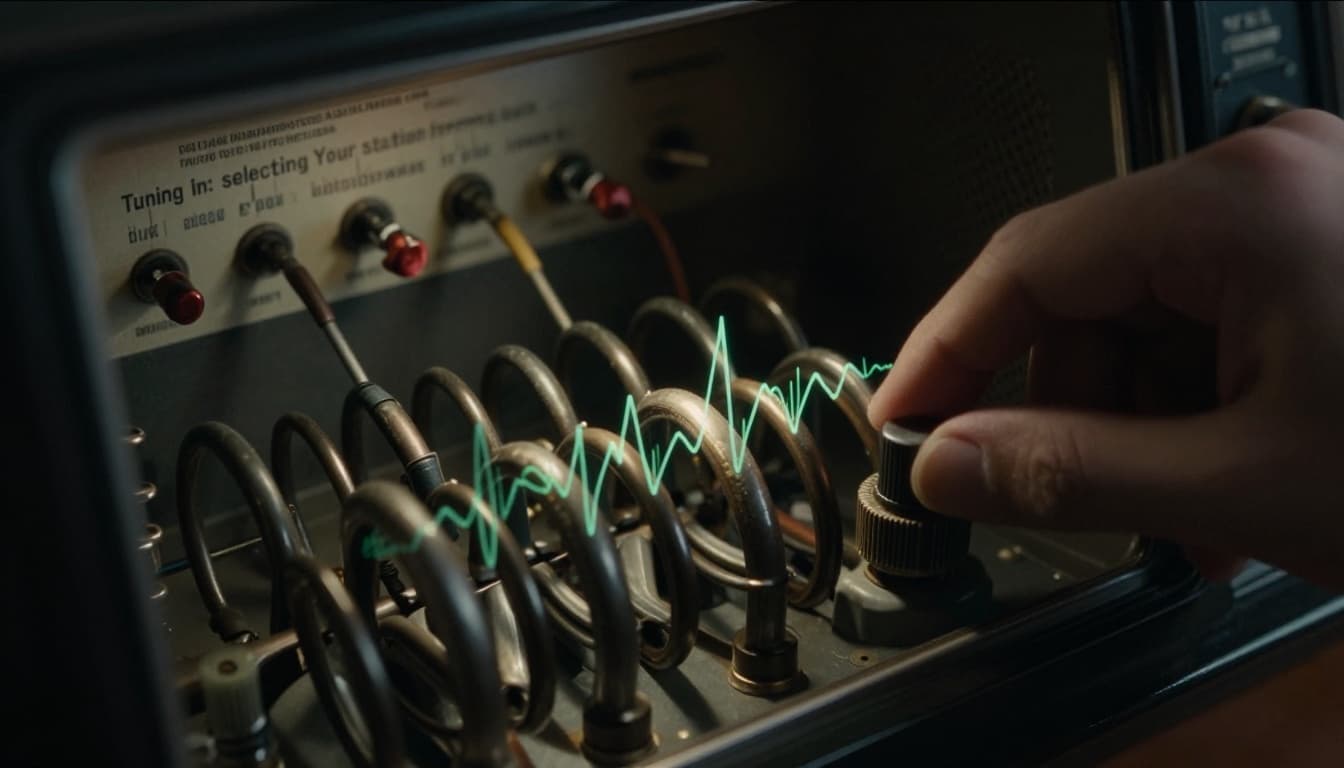
Many modern AM and FM receivers use a well-known architecture called the superheterodyne design. Instead of working on the original station frequency the whole time, it mixes the tuned signal with another oscillator frequency. Then it converts it to a fixed intermediate frequency (IF) that the rest of the receiver can handle efficiently. For more on that approach, check superheterodyne receiver basics.
Most importantly, tuning prevents signal overload. Without it, strong nearby stations would smear everything together. So the tuner acts like a flashlight beam, not a floodlight.
After the radio selects the right station, the signal is still very small. Next, the receiver boosts it so the rest of the decoding steps can work.
Amplifying the Tiny Signal Without Distortion
Once tuned, the radio still has a problem. The voltage coming from the antenna is tiny. If you try to decode that directly, you’d get weak audio and more hiss.
So the radio adds RF amplification. RF stands for radio frequency. These amplifier stages increase the strength of the tuned signal while trying to keep its shape. The goal isn’t to make it “louder” for your ears yet. It’s to make it strong enough for accurate detection.
Think of it like this: a whisper can carry meaning, but it needs a megaphone to be heard across a room. RF amps act like that megaphone for the radio wave before demodulation.
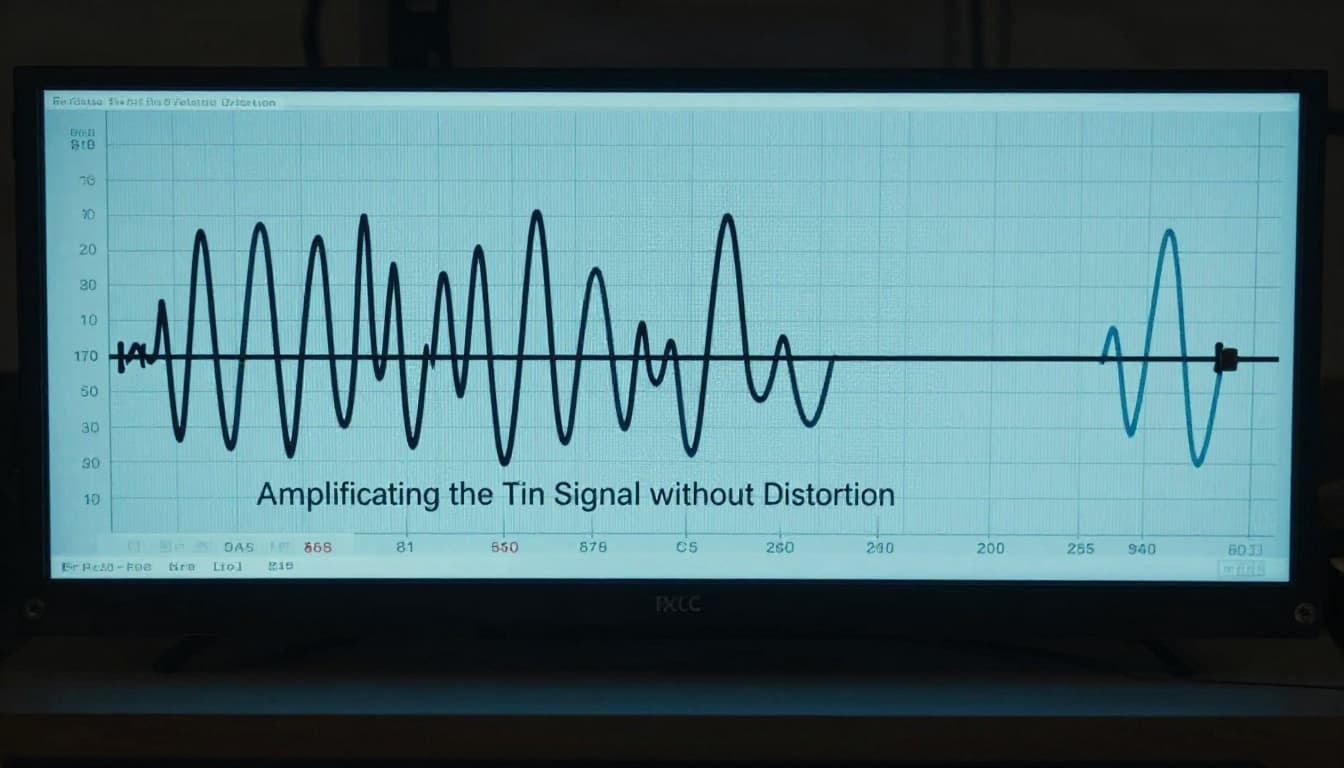
Also, radios often use multiple gain stages. One amplifier may provide some boost. Another adds more gain. That split helps the circuit stay stable and keeps distortion under control.
Audio amplification comes later. After decoding, the radio needs enough power to drive speakers. Until then, it’s working with a signal that still looks like radio energy, not music.
Now the radio reaches the key step: decoding. AM and FM store the audio message in different ways.
Amplitude Modulation (AM): Detecting Height Changes in Waves
AM stands for amplitude modulation. In an AM broadcast, the station keeps the carrier wave at a fixed frequency, but it changes the height of that carrier as the audio varies.
So the audio shows up as a kind of envelope around the wave. When the music gets louder, the carrier’s amplitude rises and falls in step.
To decode AM, the radio uses a detector stage. A common method uses a diode detector (sometimes called an envelope detector). The detector responds to the signal peaks. It effectively “clips” parts of the waveform and then smooths what’s left. The result becomes a cleaner audio-like waveform.
If you want a clear technical view of that method, see AM demodulation detection.
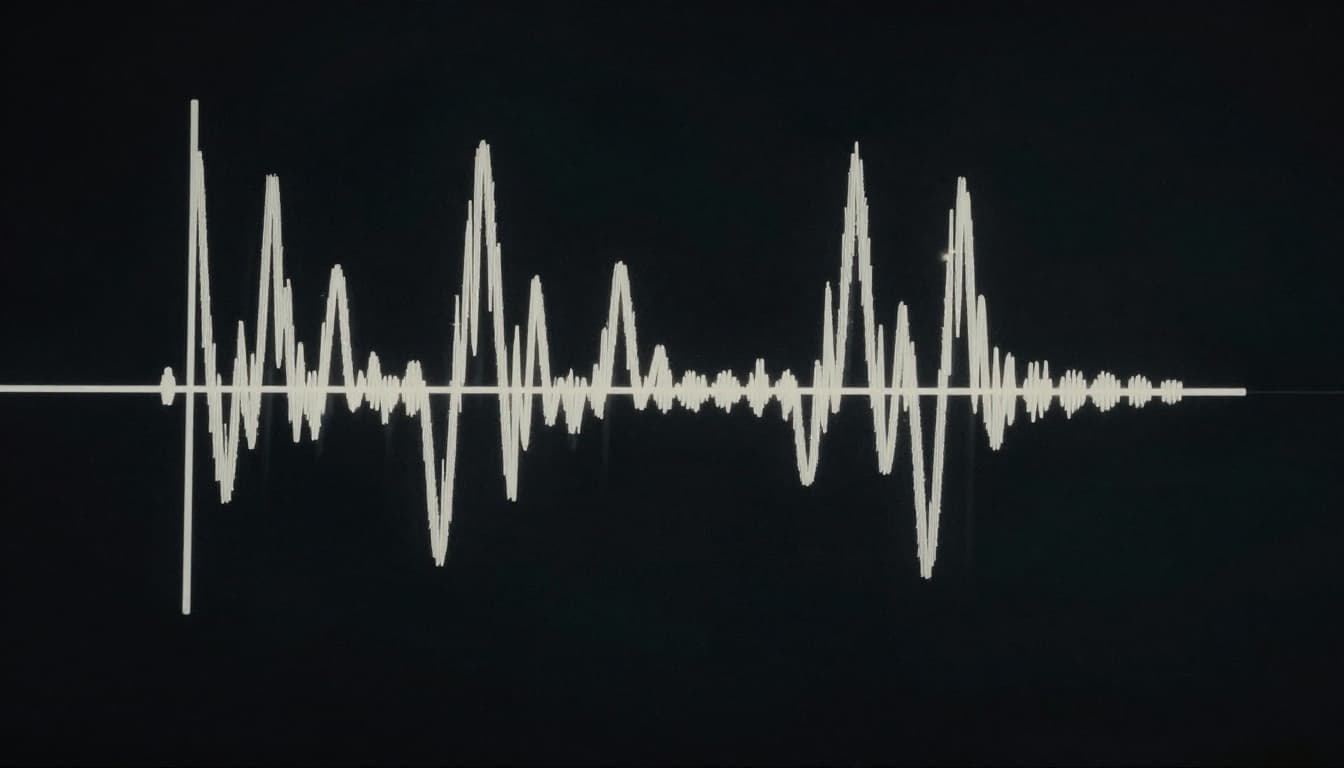
Analogy time: imagine a wavy line where hills grow and shrink with the song. AM decoding tries to follow those hill heights. Once the radio extracts the envelope, it can filter it and amplify it as normal audio.
However, AM also gets affected more by noise. Storms, electrical devices, and interference can change signal strength too. That’s why AM can sound scratchier during rough conditions.
FM takes a different path. Instead of riding on wave height, it rides on wave frequency.
Frequency Modulation (FM): Tracking Speed Shifts for Clearer Sound
FM stands for frequency modulation. With FM, the carrier frequency shifts slightly above and below its center frequency. Those tiny shifts match the audio signal.
So, rather than encoding sound in the wave’s height, FM encodes sound in the wave’s instantaneous frequency. When the audio changes, the radio wave’s “speed” changes, too.
To decode FM, the radio measures those frequency shifts. It uses a discriminator, ratio detector, or similar circuit to convert frequency changes back into an audio waveform. Then filters smooth the output, and audio amplification handles the volume.
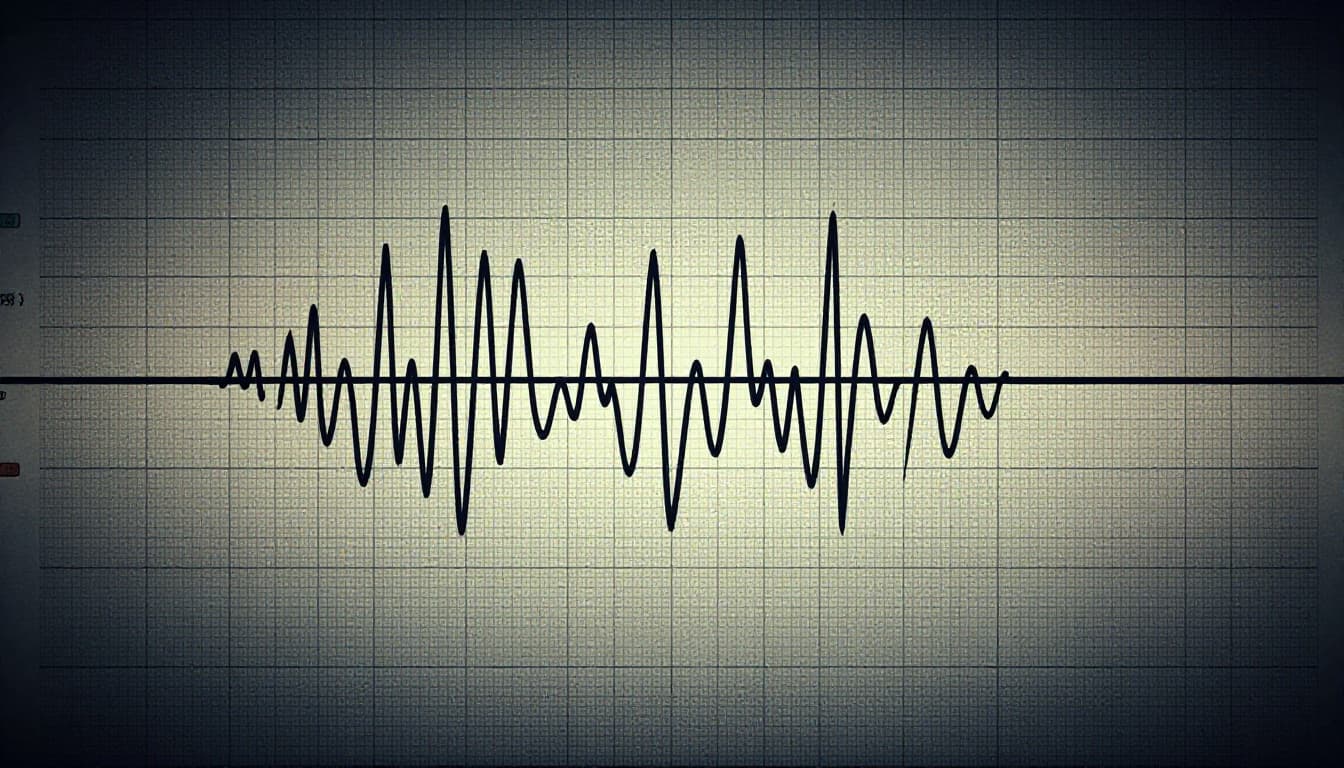
A simple way to picture it is like counting bounce speed. If the bounces happen faster, the signal means one audio level. If they slow down, it means another level. The demodulator turns that “speed story” back into audio.
FM also tends to resist certain kinds of noise better. Many interference sources affect amplitude more than frequency. Since FM decoding depends more on frequency, AM noise can show up as less distortion in FM audio. For an explanation of how this demodulation works, see demodulating an FM waveform.
By 2026, the big change isn’t inside your analog receiver. Instead, broadcasters and transmitters have improved how they feed FM stereo and related data to transmitters. That helps keep signals cleaner and more consistent. The core receiver chain still relies on antenna capture, tuning selection, amplification, and demodulation.
Next, once the radio has audio again, the speaker turns it into sound.
From Decoded Signal to Sound You Hear
After demodulation, the radio now holds something close to the original audio waveform. It still needs power and shape control. That’s where the audio amplifier stage comes in. The radio boosts the audio signal to a level the speaker can use.
Then the speaker takes over. A typical dynamic speaker uses a coil attached to a cone, plus a magnet. When the audio current flows through the coil, it creates a changing magnetic force. That force moves the coil and cone back and forth.
Those cone movements push and pull air. As a result, you get sound waves in the room. In other words, the speaker re-creates the same kind of pressure changes that formed the original audio.
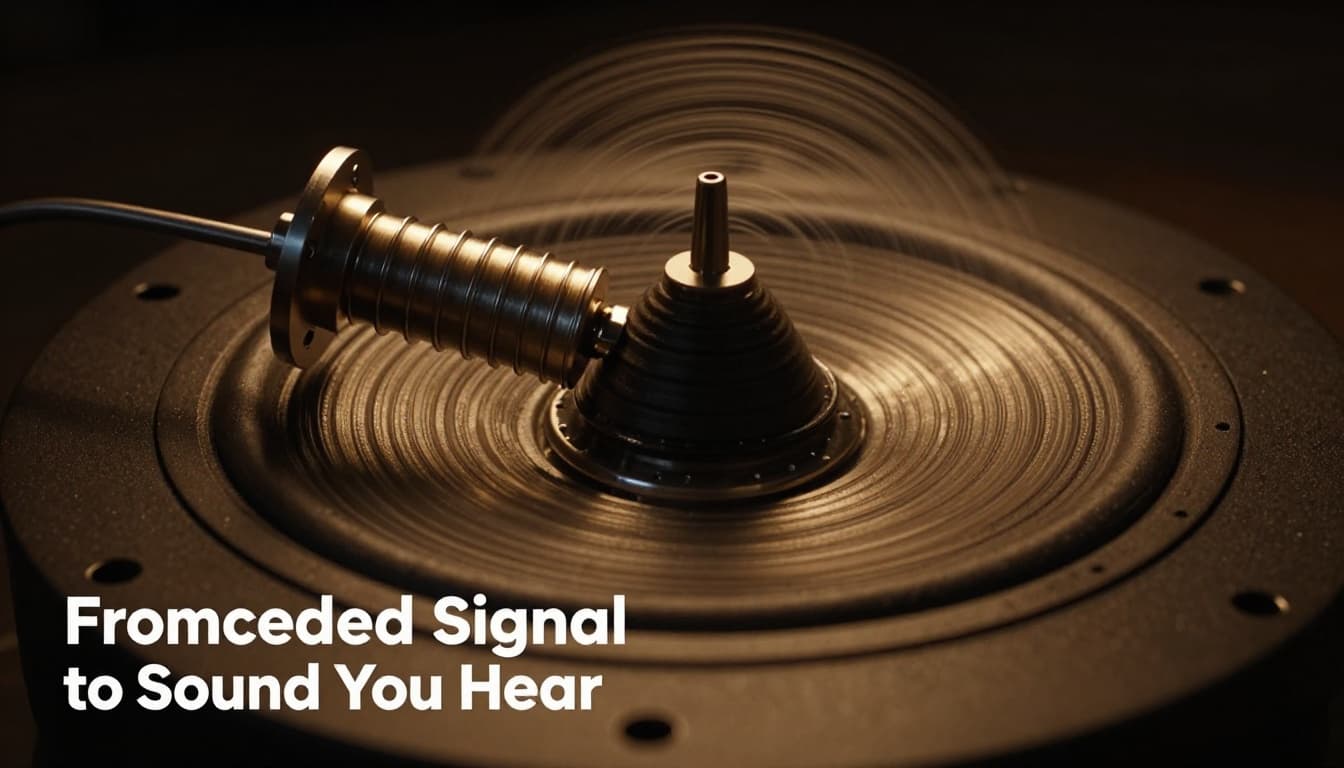
If you want a plain-language look at that process, read how speakers work.
Some radios also skip extra amplification stages in simple designs. Crystal radios, for example, can detect and produce sound with minimal power, often at low volume. But most everyday AM and FM receivers need amplification because the speaker needs real current.
Also, some modern radios include digital modes or hybrid features, but the familiar AM/FM chain still explains how your radio “gets to” sound. The radio wave becomes audio, then audio becomes movement, then movement becomes sound.
A neat metaphor ties it together: the station sends a recipe inside the radio wave. The tuner finds the recipe. Demodulation pulls the ingredients out. Then the speaker cooks it into sound.
Wrapping Up: The Signal Chain That Turns Air Waves into Audio
So, how do radios receive and decode signals? They start with an antenna that captures radio energy, then a tuner that selects one frequency, and then RF amplification to make the signal strong enough to decode.
Next, AM decoding follows amplitude changes, while FM decoding follows frequency shifts. After that, audio amplification prepares the signal to drive the speaker. Finally, the speaker converts the audio electricity into air movement.
The magic isn’t one magic chip. It’s the steady handoff from antenna to tuner to detector to speaker.
If you’re curious about a quick comparison, here’s the core idea:
FAQ: AM vs FM differences?
AM uses changes in wave amplitude to carry audio. FM uses changes in wave frequency to carry audio.
Want to make this real? Try an AM or FM radio kit someday, or at least listen as you tune across stations. You’ll notice how the sound quality jumps when the receiver locks in.
And if you share one favorite station, plus whether it’s AM or FM, you’ll help connect the tech to real life. What station do you listen to most?